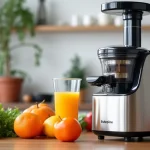
When you want to get fresh juice at home, looking for a juicer machine argos can feel a bit tricky at first. There are many types of juicers out there, and knowing which one is best for you can be confusing. Don’t worry!
This guide makes it super simple. We will walk you through everything step by step so you can pick the perfect juicer for your kitchen without any fuss. Get ready to make delicious and healthy juices!
Key Takeaways
- You will learn what a juicer machine is and why they are useful.
- We will explain the different types of juicers you can find.
- You will discover what to look for when choosing a juicer from Argos.
- We will offer tips on how to use and care for your new juicer.
- You will find answers to common questions about juicer machines.
What Is a Juicer Machine
A juicer machine is a kitchen appliance designed to extract juice from fruits and vegetables. It works by crushing, grinding, or pressing the produce to separate the liquid juice from the pulp. This allows you to enjoy the nutrients and flavors of fruits and vegetables in a concentrated liquid form.
Juicing is a popular way to boost your intake of vitamins, minerals, and enzymes, especially when you might not eat enough whole fruits and vegetables.
The process is quite straightforward. You prepare your produce, place it into the juicer, and the machine does the rest. The juice is collected in one container, and the leftover pulp is usually expelled into a separate bin.
This makes it easy to clean up afterward. Juicers are great for making fresh juices for breakfast, smoothies, or even for cooking and baking recipes.
How Juicers Extract Juice
Juicers use different methods to get the juice out. Some use a fast-spinning blade that grinds the produce and then a sieve separates the juice. Others use a slow-moving auger that crushes the produce gently, which is often called cold pressing.
There are also centrifugal juicers and masticating juicers. Each type has its pros and cons depending on what you want to juice and how much juice you need.
- Centrifugal Juicers: These use a motor to spin a sharp blade at high speeds. This blade shreds the produce, and centrifugal force pushes the juice through a mesh filter. They are usually faster but can create more heat, potentially losing some nutrients.
- Masticating Juicers (also called slow juicers): These use a slow-rotating auger to crush and press the produce. They extract more juice and often preserve more nutrients because they don’t create much heat. They are great for leafy greens and tougher vegetables.
Understanding these basic types helps you decide which juicer machine Argos might have that suits your needs best. If you want a quick juice for breakfast, a centrifugal model might be good. If you plan to juice lots of greens or want the most nutrient-rich juice, a masticating juicer is a better choice.
Types of Juicers You Can Find
When you go to a store like Argos, you’ll find different kinds of juicer machines. The most common ones are centrifugal juicers and masticating juicers. Each has its own way of working and is better for different kinds of fruits and vegetables.
Knowing the difference helps you pick the right one for your home.
Centrifugal Juicers Explained
Centrifugal juicers are very popular because they are usually quick and easy to use. They have a motor that spins a basket with a cutting disc at very high speeds. This disc shreds the fruits and vegetables.
Then, the spinning motion throws the juice through a fine sieve, separating it from the pulp. The pulp gets pushed to a separate container, and the juice comes out through a spout.
These machines are often less expensive than other types. They are good for hard fruits and vegetables like apples, carrots, and beets. They also work well with softer fruits.
However, the high speed can create a little heat, which might reduce some of the vitamins. Also, they can be a bit noisy when they run.
- Speed: Centrifugal juicers are fast, making a glass of juice in seconds.
- Noise: They can be quite loud due to the high-speed motor.
- Price: Generally more affordable than masticating juicers.
- Best for: Hard fruits and vegetables, quick juicing needs.
Masticating Juicers Explained
Masticating juicers, also known as slow juicers, work much more gently. They use a single gear or auger that slowly crushes the produce. This slow process grinds the fruits and vegetables and then presses them against a screen to extract the juice.
Because they move slowly, they don’t create much heat. This means they can preserve more nutrients and enzymes in the juice.
Masticating juicers are excellent for juicing leafy greens like spinach and kale, as well as herbs and wheatgrass. They are also very efficient at extracting juice from softer fruits and vegetables. While they are slower than centrifugal juicers, the quality of the juice is often higher, and you get more juice from your produce.
They tend to be more expensive and can take a little longer to set up and clean.
- Juice Quality: High nutrient preservation due to slow, cold-press action.
- Versatility: Excellent for leafy greens, herbs, and soft fruits.
- Efficiency: Extracts more juice from produce.
- Price: Typically more expensive than centrifugal models.
- Noise: Quieter operation compared to centrifugal juicers.
Twin Gear Juicers
Twin gear juicers are a type of masticating juicer that uses two interlocking gears. These gears rotate inwards, crushing and grinding the produce very effectively. This method is known for its efficiency and ability to extract maximum juice and nutrients.
They are particularly good at processing tough, fibrous ingredients and can even juice nuts and seeds.
These juicers are often considered the most advanced and efficient type. The double-gear action ensures that the produce is thoroughly processed, leading to a very dry pulp and a high yield of juice. They are also very durable.
However, they are usually the most expensive option and can be more complex to clean due to the multiple parts.
- High Efficiency: Extracts the most juice from produce.
- Durability: Built to last with strong materials.
- Processing Power: Handles tough and fibrous ingredients with ease.
- Cost: Generally the most expensive type of juicer.
Choosing Your Juicer Machine Argos
When you are looking for a juicer machine argos has a variety of options. To pick the best one for you, think about what you will use it for most. Consider the types of fruits and vegetables you plan to juice, how much juice you want to make, and your budget.
Also, think about how much space you have in your kitchen and how easy you want cleaning to be.
What to Consider Before Buying
It is wise to think about a few key things before you go to Argos or browse online. First, decide if you want a fast juicer for busy mornings or a slow juicer that gives you more nutrients. Think about if you plan to juice a lot of leafy greens, or mostly just apples and oranges.
Your needs will guide your choice.
Another important factor is the size of the juicer. Some juicers are quite bulky and might take up a lot of counter space. Others are more compact and easier to store.
Also, consider the material. Stainless steel parts are usually more durable and easier to clean than plastic ones. Check reviews to see what other people say about the juicer’s performance and durability.
- Usage Frequency: How often will you use the juicer?
- Types of Produce: Will you juice mostly fruits, vegetables, or both? Leafy greens?
- Juice Yield: Do you need a lot of juice at once, or just a small amount?
- Budget: How much are you willing to spend on a juicer?
- Counter Space: How much room do you have for the appliance?
Budget and Price Ranges
The price of a juicer machine can vary a lot. At Argos, you can find juicers to fit different budgets. Basic centrifugal juicers often start at lower price points, sometimes under £50.
These are a good choice if you are new to juicing or on a tight budget.
Masticating juicers and twin gear juicers are usually more expensive. They can range from around £100 to £300 or even more for high-end models. The higher price often reflects better build quality, more powerful motors, and superior nutrient extraction.
It’s worth investing a bit more if you plan to use your juicer regularly and want the best quality juice.
| Juicer Type | Typical Price Range (£) | Pros | Cons |
|---|---|---|---|
| Centrifugal | 30-100 | Fast, affordable, easy to find | Noisier, can lose some nutrients, less efficient with greens |
| Masticating | 100-250 | High nutrient retention, quiet, good with greens | Slower, more expensive, can be harder to clean |
| Twin Gear | 200-400+ | Maximum yield, very efficient, durable | Most expensive, complex to clean |
Ease of Cleaning
Cleaning a juicer is a really important part of owning one. If it is hard to clean, you might not use it as much. Most juicers come apart into several pieces.
These pieces need to be rinsed or washed after each use. Some parts might be dishwasher safe, which makes cleaning much easier.
Centrifugal juicers can sometimes be a bit fiddly to clean because of the mesh filter that catches pulp. Masticating juicers, with their augers and screens, also require careful cleaning. Look for models that have fewer parts or parts that are simple to access and wash.
Some juicers also come with a cleaning brush to help get into those tight spots.
- Dishwasher Safe Parts: Check if any components can go in the dishwasher.
- Included Cleaning Tools: Many juicers come with a brush.
- Number of Parts: Fewer parts often mean easier cleaning.
- Pulp Ejection: How easily does the pulp get removed?
How to Use Your Juicer Machine
Once you have chosen your new juicer machine argos purchase, learning to use it is simple. You will be making fresh juices in no time. The steps are generally the same for most juicers, with small differences depending on the type you have.
Preparing Your Produce
Before you put anything into the juicer, you need to prepare it. This usually means washing everything thoroughly. For most fruits and vegetables, you don’t need to peel them unless they have a very tough or bitter skin, like a pineapple or citrus fruit (though some juicers can handle citrus peels).
Remove any large pits or hard seeds from fruits like peaches or cherries, as these can damage the juicer.
Cut your fruits and vegetables into pieces that will fit into the juicer’s chute. The size will depend on the juicer model. For example, apples might need to be cut into quarters, while carrots can be cut into smaller chunks.
If you are juicing leafy greens, bunch them together so they feed through the chute more easily.
- Wash all fruits and vegetables well.
- Remove pits, large seeds, and stems from items like apples, cherries, or broccoli.
- Cut produce into sizes that fit the juicer’s feeding chute.
Operating the Juicer
Make sure your juicer is assembled correctly and placed on a stable surface. You will need containers ready to catch the juice and the pulp. Turn the juicer on before you start feeding produce into it.
Slowly push the prepared fruits and vegetables down the chute using the pusher that comes with the juicer. Do not force the produce.
Let the juicer do its work. Most juicers will automatically separate the juice and pulp. Once you have finished juicing, turn off the machine and then remove the juice and pulp containers.
If you are making a large batch, you might need to empty the pulp container partway through. Pour your fresh juice into glasses and enjoy immediately for the best taste and nutrients.
- Assemble the juicer correctly.
- Place a container for juice and one for pulp under the spouts.
- Turn the juicer on before adding produce.
- Feed ingredients slowly and steadily using the pusher.
- Turn off the juicer after all produce is juiced.
Tips for Best Juicing Results
To get the most out of your juicer machine, there are a few tips to keep in mind. Always juice fresh ingredients for the best flavor and nutrient content. Avoid overfilling the chute or trying to force too much produce through at once, as this can strain the motor.
If you are juicing a mix of soft and hard items, alternate between them.
For example, you can juice a hard carrot, then a soft apple, then some leafy greens. This helps to keep the juicer running smoothly and ensures a better juice yield. Also, drink your juice as soon as possible after making it.
Exposure to air can cause some nutrients to be lost, and the flavor can change over time.
- Always use fresh produce.
- Alternate between hard and soft ingredients.
- Juice in manageable batches.
- Drink your juice right away.
Maintaining Your Juicer Machine
Taking good care of your juicer machine argos purchase will make it last longer and work better. The most important part of maintenance is cleaning it after every use. This prevents juice from drying onto the parts and becoming harder to remove.
Daily Cleaning Routine
As soon as you finish juicing, take the juicer apart. Rinse all the parts under warm running water. Use a soft brush to gently scrub away any remaining pulp or juice from the sieve, auger, or blades.
If you have a dishwasher, check your manual to see which parts are safe to put in it. Make sure all parts are completely dry before reassembling or storing them to prevent mold or mildew.
For the main body of the juicer, wipe it down with a damp cloth. Never immerse the motor base in water, as this can damage the electrical components. A quick clean after each use takes just a few minutes and makes a big difference in keeping your juicer in good condition.
- Rinse parts immediately after use.
- Use a brush to remove stuck-on pulp.
- Dry all parts thoroughly before storing.
- Wipe down the motor base with a damp cloth.
Deep Cleaning and Storage
Once in a while, you might want to give your juicer a more thorough clean. This could involve using a mild detergent on parts that are not dishwasher safe, but always rinse them very well afterward. Check the manual for any specific deep cleaning instructions recommended by the manufacturer.
When storing your juicer, it is best to keep it assembled in a dry place. If you have limited counter space, you can store the parts in a box or cupboard. Ensure that all parts are completely dry before storing to avoid any issues.
Some people prefer to store the juicer base separately from the juicing components to save space.
- Periodically use a mild detergent for a deeper clean.
- Always refer to your juicer’s manual for specific cleaning advice.
- Store parts in a dry area to prevent damage.
- Ensure all components are completely dry before storing.
Common Myths Debunked
Myth 1 Juicing is Only for Health Nuts
This is not true at all. While many health-conscious people enjoy juicing, anyone can benefit from it. Freshly made juice is a delicious way to get more vitamins and minerals into your diet, even if you are not strictly focused on health.
It is a simple way to enjoy fruits and vegetables.
Myth 2 Juicing Removes All Fiber
Centrifugal juicers do remove most of the fiber. However, masticating juicers are more efficient and can leave some beneficial fiber in the juice. Even if most fiber is removed, the vitamins and enzymes are still very beneficial.
For those who need more fiber, it can be added back by eating the pulp or having other fiber-rich foods.
Myth 3 Juicing is Too Complicated to Do At Home
With the right guidance, juicing is actually quite simple. As this guide shows, preparing produce and using the machine takes just a few steps. Cleaning is also straightforward if you do it right after using the juicer.
Many modern juicers are designed for easy use and quick cleanup.
Myth 4 All Juicers Produce the Same Quality Juice
This is not correct. Different types of juicers produce juice of varying quality. Masticating and twin gear juicers, for example, are known for producing juice with more nutrients and a better flavor because they operate at lower speeds and temperatures.
Centrifugal juicers are faster but might result in slightly less nutrient-dense juice.
Frequently Asked Questions
Question: Can I juice any fruit or vegetable in a juicer machine
Answer: While you can juice most fruits and vegetables, some are better suited for juicing than others. Very hard items like nuts might require a specialized juicer. Always check your juicer’s manual for specific recommendations.
Avoid juicing large pits or very hard seeds that could damage the machine.
Question: How much juice can I expect from my produce
Answer: The amount of juice you get depends on the type of produce and the type of juicer. Water-rich fruits and vegetables like watermelon, cucumber, and oranges yield a lot of juice. Denser items like carrots and apples also produce good amounts.
Masticating juicers generally give a higher juice yield than centrifugal ones.
Question: Is it okay to drink juice that has been sitting for a while
Answer: It is best to drink freshly made juice as soon as possible. Nutrients can degrade over time when exposed to air and light. While it’s not harmful to drink older juice, you will get more benefits from fresh juice.
Store it in an airtight container in the fridge for a short period if you must.
Question: Can I add ice to my juice
Answer: You can add ice to your juice if you prefer it colder. However, some juicers can juice frozen fruits, which will make your juice cold without needing ice. Adding ice to freshly made juice can also dilute the flavor, so it is a matter of personal preference.
Question: What should I do with the leftover pulp
Answer: The pulp left over from juicing still contains nutrients and fiber. You can add it to baked goods like muffins or bread, use it in vegetable patties, or add it to compost. Some people even find ways to re-incorporate it into their diet by mixing it into smoothies or adding it to sauces.
Final Thoughts
Finding a juicer machine argos offers is straightforward with this guide. You know the different types and what to look for. Cleaning and using your juicer is simple with these tips.
Now you can enjoy fresh, healthy juices with confidence.