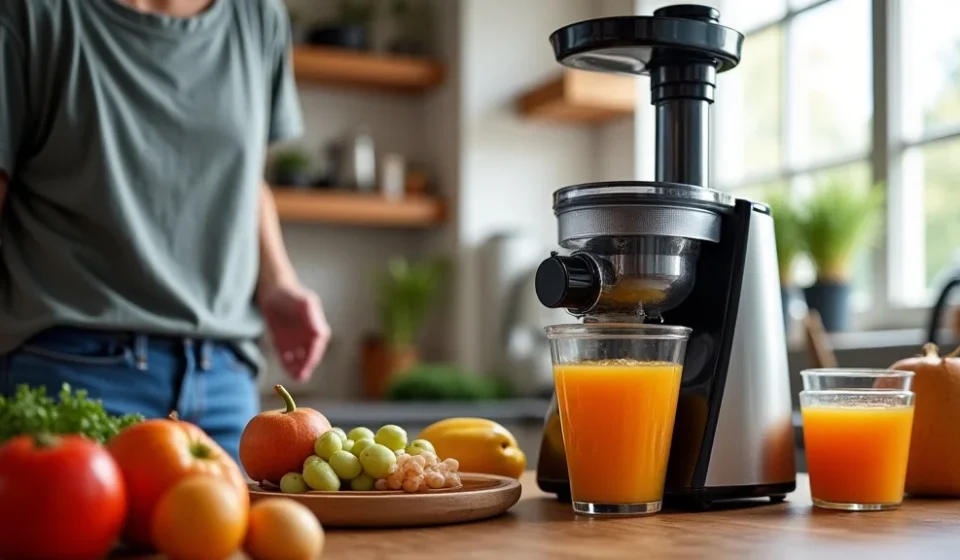

Finding good deals on juicer machines on sale can feel like a treasure hunt sometimes. You want a great machine, but you also want to save some money. It’s easy to get confused with all the different types and features out there.
Don’t worry, we’ll walk through it step by step. This guide will help you find the perfect juicer without the stress. Let’s get started by looking at what makes a juicer a great buy.
Key Takeaways
- You will learn about different types of juicer machines.
- This post explains how to spot good deals on juicers.
- You will discover tips for using your new juicer.
- We cover how to clean and care for your juicer.
- You will find answers to common questions about juicers.
Understanding Juicer Machine Types
Juicer machines are wonderful tools for making healthy drinks. They turn fruits and vegetables into fresh, nutritious juice. But not all juicers are the same.
They come in different styles, and each has its own way of working. Knowing these types helps you pick the best one for your needs and find the best deals when juicer machines on sale appear.
Centrifugal Juicers
Centrifugal juicers are the most common type you’ll see. They work by spinning very fast. A flat cutting blade at the bottom of the basket shreds the produce.
Then, the centrifugal force pushes the juice through a fine mesh screen. Pulp is spun away into a separate container. These are often less expensive and quicker to use.
They are great for hard fruits and vegetables like apples and carrots. However, the high speed can heat the juice a bit. This might reduce some of the vitamins.
They are also louder than other types.
A key point about centrifugal juicers is their speed and efficiency for processing large amounts of produce quickly. The spinning action is powerful, extracting juice rapidly. This makes them a popular choice for people who want a fast way to juice in the morning.
Many models also have wider chutes, so you can put in whole fruits or large chunks without much pre-cutting. This saves even more time. When you see juicer machines on sale, centrifugal models are often among the featured items due to their popularity.
Real-life Example: Sarah bought a centrifugal juicer on sale last month. She was new to juicing and wanted something easy. She found she could juice a whole apple in seconds.
Her morning routine became much faster. She enjoys making apple and carrot juice every day now. The juicer was simple to clean, which was a big plus for her.
Statistic: Centrifugal juicers account for approximately 60% of the home juicer market, largely due to their affordability and ease of use.
Masticating Juicers
Masticating juicers, also known as slow juicers, work differently. They use a single auger (a screw-like part) to crush and press the produce against a screen. This slow process extracts juice with less heat and oxidation.
This means more nutrients are kept in the juice. They are excellent for leafy greens, wheatgrass, and soft fruits. Masticating juicers are quieter and produce less foam.
However, they are usually more expensive and take longer to juice. They also require more prep work, like cutting produce into smaller pieces.
These juicers are prized for their ability to extract a higher yield of juice compared to centrifugal models. The slow, steady grinding action breaks down cell walls more effectively. This releases more of the valuable enzymes and vitamins.
If you plan to juice a lot of greens or make nutrient-rich shots, a masticating juicer is a top choice. They also produce a drier pulp, meaning less waste. When looking for juicer machines on sale, keep an eye out for these if you prioritize nutrition and juice quality.
Sample Scenario: Imagine you want to make a vibrant green juice packed with nutrients. You have spinach, kale, celery, and cucumber. A masticating juicer would excel here, breaking down the fibrous greens efficiently and yielding a smooth, nutrient-dense juice.
A centrifugal juicer might struggle to extract as much juice from these tough greens.
Statistic: Studies show that juice extracted by masticating juicers can retain up to 30% more Vitamin C than juice from centrifugal juicers, due to lower heat exposure.
Twin-Gear Juicers
Twin-gear juicers are a high-end option. They have two interlocking gears that rotate against each other. This action grinds and presses produce very thoroughly.
They are known for being the most efficient, producing very dry pulp. They are excellent for fibrous vegetables and can even handle nuts and seeds. These juicers are the slowest and usually the most expensive.
They also require more effort to clean. They are a great investment for serious juicing enthusiasts who want the absolute best quality juice and maximum yield.
The double-auger system in twin-gear juicers is incredibly effective at breaking down cell structures. This makes them ideal for juicing difficult items like wheatgrass, roots, and even herbs. The slow speed means minimal heat is generated, preserving the integrity of enzymes and nutrients.
If you’re looking for a juicer that can handle almost anything you throw at it and produce the highest quality juice, a twin-gear juicer is the way to go. Finding these on juicer machines on sale is a rarer but significant find.
Real-life Example: Mark, a health enthusiast, invested in a twin-gear juicer. He juiced wheatgrass daily and found it far more effective than his old juicer. He also experimented with juicing ginger and turmeric roots.
The dry pulp indicated excellent extraction. He felt the investment was worth it for the quality and versatility.
Juicer Machines On Sale Tips
Finding juicer machines on sale is a great way to get a high-quality appliance without spending too much. You can find good deals throughout the year, but some times are better than others. Keep an eye out during major shopping holidays.
Black Friday, Cyber Monday, and even holiday sales around Christmas can offer significant discounts. Also, look for end-of-season sales or clearance events at appliance stores.
Online retailers are often a good source for sales. Websites like Amazon, Walmart, and Best Buy frequently have deals. Don’t forget to check the manufacturer’s website directly as well.
Sometimes they offer special promotions or bundles. Reading reviews from other buyers is important. It helps you understand the performance and reliability of a specific model, even when it’s on sale.
Compare prices across different stores to ensure you’re getting the best possible discount.
Statistic: Discounts on juicer machines can range from 10% to over 40% during major sale events, saving consumers an average of $50-$150 per unit.
Sample Scenario: You’ve been eyeing a particular masticating juicer. Instead of buying it immediately, you decide to wait for a sale. You bookmark the product page on a few different retail sites.
During a holiday sale, you see it discounted by 25%. You also notice a bundle deal that includes a cleaning brush, saving you even more.
Choosing the Right Juicer for You
When you’re looking at juicer machines on sale, think about what you want to juice most often. If you love making fruit juices and smoothies with soft fruits, a centrifugal juicer might be perfect. They are quick and easy.
For those who want to juice a lot of leafy greens and prioritize maximum nutrition, a masticating juicer is the better choice. They are more efficient for these items.
Consider your budget and how much time you have. Centrifugal juicers are generally cheaper and faster. Masticating juicers cost more and take a bit longer, but they often produce better quality juice and more of it.
If you are a serious juicer or want to process a wide variety of produce, including nuts and seeds, a twin-gear juicer is the ultimate option, though it comes with a higher price tag. Think about the space you have in your kitchen too, as some juicers can be quite large.
Key Features to Look For When Buying:
- Ease of Cleaning: Some juicers have fewer parts or are dishwasher safe, making cleanup much simpler.
- Motor Power: A more powerful motor means the juicer can handle tougher ingredients more easily.
- Juice Yield: How much juice does it get from your produce? Higher yield means less waste.
- Noise Level: Some juicers can be quite loud, especially centrifugal models.
- Durability and Build Quality: Look for sturdy materials that will last.
Explanation: Ease of cleaning is a big factor for many people. If a juicer is difficult to clean, you might not use it as often. Look for models with detachable parts that are dishwasher safe or come with a good cleaning brush.
Motor power is important because a stronger motor can process fibrous ingredients like celery or carrots without getting bogged down. Higher juice yield is always desirable. It means you get more bang for your buck and less pulp to discard.
Noise level can be a consideration, especially if you have young children or live in an apartment. Finally, the build quality ensures your juicer will last for years to come.
Benefits of Owning a Juicer
Having your own juicer machine opens up a world of healthy possibilities. You can create custom drinks tailored to your taste and nutritional needs. This is especially helpful if you’re trying to increase your intake of fruits and vegetables.
Juicing is a fantastic way to get a concentrated dose of vitamins, minerals, and enzymes. These nutrients are easily absorbed by your body when in liquid form.
Juicing can be a convenient way to consume a variety of produce. It’s often easier to drink a glass of juice than to eat several servings of fruits and vegetables. This can be a lifesaver for busy individuals or picky eaters.
Plus, making your own juice means you control exactly what goes into it. You avoid added sugars, preservatives, and artificial ingredients often found in store-bought juices. Finding juicer machines on sale makes these benefits more accessible.
Nutrient Intake Boost
One of the biggest advantages of juicing is the significant boost in nutrient intake. Fruits and vegetables are packed with essential vitamins, minerals, antioxidants, and enzymes. When you juice them, you break down their cell walls, making these nutrients more readily available for your body to absorb.
This can lead to improved energy levels, a stronger immune system, and better overall health.
For example, a glass of freshly squeezed carrot juice can provide a substantial amount of Vitamin A, which is crucial for eye health and immune function. Similarly, juicing dark leafy greens like spinach and kale delivers iron, calcium, and a host of antioxidants. These compounds help protect your cells from damage.
Incorporating juicing into your routine, especially when you find good juicer machines on sale, is a simple yet powerful way to enhance your diet.
Statistic: The average person consumes only about 1.2 servings of vegetables per day, far below the recommended 2.5 to 3 servings. Juicing can help bridge this gap.
Convenience and Customization
Juicing offers incredible convenience and customization. You can create unique flavor combinations that suit your palate perfectly. Want a tangy citrus blend with a kick of ginger?
Easy. Prefer a sweet berry mix with a touch of mint? You can make it happen.
This allows you to experiment with different fruits and vegetables and discover new favorites.
This customization is also invaluable for people with specific dietary needs or preferences. If you need to avoid certain ingredients or are trying to incorporate more of a particular nutrient, you can tailor your juice recipes accordingly. The speed at which you can prepare a fresh, healthy drink with a juicer is also a major convenience factor.
It’s a quick way to get a nutritional boost, especially during busy mornings or after a workout.
Real-life Example: Maria has a sensitive stomach and finds raw vegetables hard to digest. She discovered that by juicing them, she can get all the benefits without the discomfort. She customizes her morning juice with cucumber, celery, and a little apple for sweetness.
This has made a big difference in how she feels throughout the day.
Waste Reduction and Cost Savings
While the initial cost of a juicer machine might seem high, it can lead to cost savings and reduced food waste over time, especially when you find juicer machines on sale. By using whole fruits and vegetables, you can often get more servings from your grocery budget than buying pre-made juices, which can be quite expensive. You also have control over the quality of ingredients, opting for seasonal produce which is often cheaper.
Furthermore, juicing can help you use up produce that might otherwise go bad. Those slightly overripe bananas or a few lonely carrots in the crisper drawer can be transformed into delicious juice. This reduces household food waste.
When you consider the health benefits and the ability to make large batches of juice to store for a few days (depending on the juicer type), the investment in a juicer machine becomes quite economical.
Maintaining Your Juicer Machine
To get the most out of your juicer machine, and to ensure it lasts a long time, proper maintenance is key. This involves regular cleaning after each use and occasional deeper cleaning. Most juicers come with specific cleaning instructions in their manuals.
Following these will keep your machine running smoothly and your juice tasting fresh.
Regular cleaning prevents juice residue from drying and becoming difficult to remove. It also stops pulp from clogging the motor or screens. Some parts might be dishwasher safe, which can save a lot of time.
For parts that are not dishwasher safe, a good cleaning brush and some warm, soapy water usually do the trick. Taking care of your juicer is just as important as choosing the right one when you find juicer machines on sale.
Cleaning After Every Use
The most important cleaning step is to rinse or wash your juicer immediately after you finish juicing. Don’t let the pulp and juice residue sit and dry. Most juicers have a few key parts that need attention: the juice bowl, the pulp container, the filter/screen, and the auger or cutting blade.
Disassemble these parts according to your juicer’s manual.
For centrifugal juicers, the filter basket is often the trickiest part to clean. A stiff brush can help dislodge any trapped pulp. For masticating juicers, the auger and screen need to be thoroughly cleaned.
Many manufacturers include a special brush for this purpose. Rinsing the parts under warm running water is usually the first step. If needed, use mild dish soap.
Avoid abrasive cleaners or harsh chemicals, as they can damage the juicer’s components.
Sample Scenario: You just finished juicing a large batch of apples and oranges. You immediately rinse the main parts of your centrifugal juicer. You use the provided brush to scrub the mesh filter, removing all the pulp.
A quick wipe down of the exterior, and your juicer is clean and ready for its next use. This takes only about five minutes.
Explanation: The reason for immediate cleaning is simple physics and chemistry. Sugars and proteins in juice can start to break down quickly, becoming sticky and harder to remove as they dry. Pulp fibers can also swell and embed themselves in mesh screens, making them very difficult to dislodge later.
A quick rinse and scrub now prevents a much bigger chore later, ensuring your juicer remains hygienic and efficient.
Deep Cleaning and Storage
Beyond daily cleaning, it’s a good idea to do a deeper clean every so often, perhaps once a month or if you notice any build-up. This might involve a more thorough scrub of all parts, or even running a cleaning cycle if your juicer model supports it. Some people use a mixture of baking soda and water for a gentle abrasive paste to tackle stubborn stains or smells.
Always ensure all parts are completely dry before reassembling or storing your juicer.
Proper storage is also important. Store your juicer in a clean, dry place. If it’s a bulky appliance, consider keeping it on your countertop if you use it frequently.
If not, a cupboard or pantry is suitable. Make sure any cords are neatly wrapped to avoid damage. Keeping it covered with a cloth or the original dust cover can help prevent it from gathering dust between uses.
This attention to detail ensures your juicer remains in top condition.
Key Steps for Deep Cleaning:
- Disassemble all removable parts.
- Soak parts in warm, soapy water for 15-30 minutes if heavily soiled.
- Use a specialized brush for screens and augers.
- For tough stains, try a paste of baking soda and water.
- Rinse all parts thoroughly with clean water.
- Allow all parts to air dry completely before reassembly or storage.
Common Myths Debunked
Myth 1: Juicing destroys all the nutrients in fruits and vegetables.
This is a common misconception. While some nutrients might be affected by oxidation or heat, juicing actually makes many vitamins, minerals, and enzymes more bioavailable. This means your body can absorb them more easily.
For instance, the fiber, which is removed during juicing, can sometimes slow down nutrient absorption. Juicing concentrates the beneficial compounds, allowing for faster uptake.
Myth 2: Juicing is only for weight loss.
While juicing can be a part of a healthy weight management plan, its benefits extend far beyond that. Juicing is a fantastic way to boost your overall health, increase energy levels, improve digestion, and strengthen your immune system. It’s about nourishing your body with concentrated vitamins and minerals from a wide variety of fruits and vegetables.
It’s a lifestyle choice for better wellness, not just a quick fix for weight loss.
Myth 3: All juicers are difficult to clean.
This used to be more true in the past, but modern juicers have vastly improved designs. Many models are now much easier to clean, with fewer parts, dishwasher-safe components, and effective cleaning brushes included. While some older or more complex models might require more effort, there are plenty of options available that prioritize ease of cleaning.
When looking for juicer machines on sale, check reviews specifically mentioning cleaning convenience.
Myth 4: Store-bought juices are just as healthy as homemade.
This is generally not true. Store-bought juices often contain added sugars, artificial flavors, and preservatives. They also go through pasteurization processes that can reduce the vitamin and enzyme content.
Homemade juice made with fresh ingredients allows you to control exactly what you’re consuming, ensuring maximum freshness and nutritional value without any unwanted additives.
Frequently Asked Questions
Question: What is the best type of juicer for leafy greens?
Answer: Masticating juicers and twin-gear juicers are generally best for leafy greens. They use a slow, grinding action that efficiently extracts juice from fibrous greens like kale and spinach.
Question: How long does fresh juice last?
Answer: Freshly made juice is best consumed immediately. However, if stored properly in an airtight container in the refrigerator, masticated juice can last for up to 48-72 hours. Centrifugal juiced drinks tend to degrade faster, usually within 24 hours.
Question: Can I juice citrus fruits in any juicer?
Answer: Most juicers can handle citrus fruits. However, some specialized citrus juicers are designed specifically for this purpose and might yield more juice and less pulp from oranges, grapefruits, and lemons.
Question: Are juicer machines on sale a good investment?
Answer: Yes, finding juicer machines on sale can be a great way to get a high-quality appliance at a lower cost. They allow you to easily increase your fruit and vegetable intake, which can lead to significant health benefits over time.
Question: Do juicers remove all the fiber?
Answer: Yes, most common juicers (centrifugal and masticating) separate the juice from the pulp, which is where most of the fiber resides. Some specialized machines called “blenders” or “smoothie makers” are designed to keep the fiber in the drink.
Wrap Up
Finding excellent juicer machines on sale is about knowing your options and watching for deals. You’ve learned about different juicer types, from speedy centrifugal to nutrient-preserving masticating models. Keep these tips in mind when you shop.
Proper cleaning ensures your machine works well for years. Enjoy making your own healthy, delicious juices!