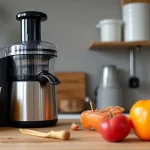
Finding the right juicer can feel a bit tricky when you see so many options. You might wonder which juicer machine best seller is truly the best for what you need. It is okay if this seems like a lot at first.
We are here to make it super simple. This guide will walk you through everything, step by step, so you can pick the perfect juicer with confidence. Get ready to discover how easy it is to start making healthy, fresh juices at home.
Key Takeaways
- You will learn what makes a juicer a best seller.
- We will explain different types of juicers so you can choose.
- Discover features to look for in a top-rated juicer.
- Understand how to use and care for your new juicer easily.
- Tips on getting the most from your juicer for healthy drinks.
Choosing Your Juicer Machine Best Seller
When you start looking for a juicer, the term “juicer machine best seller” pops up a lot. This just means a lot of people are buying it. But what makes a juicer a big hit?
It usually comes down to a few main things that make it easy to use, effective, and good value. People love juicers that get a lot of juice from fruits and veggies without too much fuss. They also look for ones that are simple to clean because no one wants a big mess after making their drink.
Durability is another big plus. If a juicer lasts a long time and works well for years, it is naturally going to be a popular choice. We will break down the types of juicers and what makes them stand out, helping you understand why certain models become favorites among many people.
This way, you can make a smart choice that fits your lifestyle and helps you enjoy fresh juice every day.
Centrifugal Juicers Explained
Centrifugal juicers are often the most common type you will see, and many best sellers are in this category. They work by spinning at a very high speed, which grates fruits and vegetables against a mesh filter. The fast spinning motion flings the juice out through tiny holes in the filter, leaving the pulp behind.
This design makes them quite fast and efficient for juicing harder produce like carrots and apples. Because of their speed, they can sometimes add a bit of heat to the juice, and the rapid spinning can also incorporate more air, which might make the juice foam a little. Cleaning can sometimes be a bit more involved due to the fine mesh filter.
Despite this, their ease of use and quick juicing action make them a popular choice for many households looking for a straightforward juicing experience. They are a great entry point for anyone new to juicing.
Many people choose centrifugal juicers because they are usually more affordable than other types. You can often find a good quality centrifugal model for less than $100, making them accessible for most budgets. They are also very straightforward to operate.
You typically just turn them on, and feed your produce into the chute. There is not much of a learning curve, which is ideal for beginners. The wider chutes on many models mean you can often put in whole fruits or larger pieces, saving you time on preparation.
While some foaming can occur, many models come with a strainer to reduce this if you prefer a smoother juice. Their popularity as a best seller is a testament to their balance of cost, speed, and ease of use.
Masticating Juicers Better Known As Slow Juicers
Masticating juicers, often called slow juicers, use a different method. Instead of high-speed spinning, they use a single auger screw that slowly crushes and presses produce against a screen. This gentle crushing action is much quieter and produces less heat.
Because they don’t oxidize the juice as much, you often get more nutrients and enzymes preserved. They are also great for juicing leafy greens like spinach and kale, which centrifugal juicers can sometimes struggle with. While they are slower than centrifugal models, the juice quality is often superior, with less foam and a richer flavor.
Cleaning these juicers can also be easier as the pulp is usually drier and the parts are generally simpler to rinse. If you are looking for maximum nutrient extraction and a high-quality juice, a masticating juicer is a fantastic option.
These juicers are known for their ability to extract juice very efficiently. The slow crushing process breaks down the cell walls of fruits and vegetables more effectively, releasing more of the liquid and beneficial compounds. This leads to a higher yield of juice from the same amount of produce.
For example, if you are juicing a bag of spinach, a masticating juicer will likely give you more juice than a centrifugal one. This efficiency can save you money in the long run, as you will need less produce to make the same amount of juice. Many masticating juicers also have multiple settings or attachments, allowing them to do more than just juice.
Some can make nut butters, sorbets, or even pasta, making them a versatile addition to your kitchen.
How to Pick the Best Juicer For Your Needs
Deciding on the perfect juicer machine best seller depends on what you plan to do with it. Think about what you will be juicing most often. If it’s mostly hard fruits and vegetables like apples, carrots, and celery, a centrifugal juicer might be your best bet due to its speed and efficiency.
These are often the top-selling models because they are user-friendly for everyday use. If you want to juice leafy greens like spinach and kale, or if you are focused on getting the maximum amount of nutrients and enzymes from your produce, a masticating (slow) juicer is likely a better choice. Masticating juicers, while slower, produce a higher quality juice with less oxidation.
Also, consider how much time you have. Centrifugal juicers are quick, while masticating juicers take a bit longer. Your budget is also a key factor, as prices can vary significantly between types and brands.
Juicing Volume And Frequency
Consider how much juice you plan to make and how often. If you are juicing for one person occasionally, a smaller, less powerful model might be sufficient. If you are juicing for a family or plan to make large batches to store, you will want a juicer with a larger capacity and a motor that can handle continuous use.
High-volume juicers are often built with more durable materials and more powerful motors. For example, if you are making juice for a post-workout drink every day, a machine that can handle consistent use without overheating is important. Some juicers are designed for continuous juicing for longer periods, while others are best suited for short bursts.
Checking the manufacturer’s recommendations for usage time will help you find a model that matches your juicing habits.
Ease Of Cleaning
One of the biggest factors in whether people actually use their juicers regularly is how easy they are to clean. A juicer that takes a long time to take apart and scrub can quickly become a burden. Look for models that are advertised as easy to clean.
This often means having fewer parts or parts that are dishwasher safe. Some juicers even have a self-cleaning function that involves running water and soap through the machine for a short period. If cleaning is a major concern for you, research reviews that specifically mention the cleaning process.
A juicer that is quick and simple to rinse and wipe down will encourage you to juice more often, making it a better long-term investment for your health.
Durability And Build Quality
When looking for a juicer machine best seller, durability is a key feature that contributes to its popularity. A well-built juicer will last for many years, saving you money in the long run compared to frequently replacing cheaper models. Look for juicers made from high-quality materials like stainless steel or BPA-free plastics.
Check reviews for comments on how well the juicer holds up over time. A motor that feels powerful and doesn’t strain is a good sign. Many popular juicers come with longer warranties, which is an indication of the manufacturer’s confidence in their product’s longevity.
A robust juicer can handle tougher ingredients and more frequent use without issues, making it a reliable kitchen companion for your healthy lifestyle.
Top Features To Look For
When you are scanning through the options for a juicer machine best seller, certain features stand out. A powerful motor is essential. This allows the juicer to handle tough fruits and vegetables with ease, ensuring you get the most juice.
For centrifugal juicers, a motor that offers multiple speed settings can be very useful. A high speed is good for hard produce, while a lower speed can be gentler for softer items. For masticating juicers, a strong, slow-turning auger is what matters most for efficient extraction.
The size of the feed chute is also important; a wider chute means you can fit in larger pieces of produce, reducing your prep time. Imagine not having to chop your apples into tiny pieces before juicing them. This convenience factor is a major reason why certain juicers become favorites.
Motor Power And Speed Settings
The motor is the heart of any juicer. For centrifugal juicers, motor power is often measured in watts. A higher wattage generally means more power to tackle tough ingredients.
Many centrifugal best sellers offer dual speed settings. For example, a speed around 3,000 RPM (Revolutions Per Minute) might be good for soft fruits and leafy greens, while a higher speed of 10,000 RPM or more is excellent for harder vegetables like carrots and beets. This versatility allows you to optimize juicing for different types of produce.
For masticating juicers, the focus is less on RPM and more on torque and the slow crushing action. A motor that efficiently turns the auger without bogging down is key. Higher power in a masticating juicer ensures it can handle fibrous greens and roots smoothly.
Example Scenario One
Imagine Sarah loves making green juices every morning. She wants to include spinach, kale, celery, and apples in her drinks. She notices that many centrifugal juicers struggle with leafy greens, often leaving a lot of unjuiced pulp.
She also prefers her juice to be less frothy. After researching, she discovers that masticating juicers excel at handling leafy greens and produce less foam. She decides to invest in a mid-range masticating juicer.
She finds that it perfectly pulverizes her greens and yields a smooth, nutrient-rich juice with minimal effort. The easy-to-clean parts mean she can quickly make her juice even on busy mornings, and she feels great knowing she is getting all the benefits from her ingredients.
Feed Chute Size And Shape
The feed chute is the opening where you put your fruits and vegetables into the juicer. A wide feed chute, sometimes called an extra-wide or whole-fruit chute, is a huge convenience. It means you can often juice produce like apples, pears, or cucumbers without having to cut them into small pieces first.
This saves significant prep time, which is a major plus for busy people. For instance, if a chute is 3 inches wide, you can likely fit in a whole apple. If it’s smaller, you might need to cut everything down to fit.
The shape of the chute can also matter; some are more vertical, making it easier to push produce down with a tamper, while others are more horizontal. A well-designed chute, combined with a good tamper, makes the juicing process smoother and safer.
Example Scenario Two
Mark is a busy professional who wants to start juicing to boost his energy levels. He doesn’t have a lot of time for food prep in the mornings. He looks at a few popular juicer models.
One has a narrow feed chute that requires him to chop all his fruits and vegetables into very small, uniform pieces. Another best seller features a 3-inch wide feed chute. He realizes that with the wider chute, he can simply core an apple and drop it in, or feed in whole carrots.
This dramatically cuts down his preparation time. He chooses the juicer with the wider chute, and he finds that his morning juicing routine takes less than 5 minutes from start to finish, making it easy for him to maintain his healthy habit.
Juice Container And Pulp Bin Capacity
The size of the juice container and the pulp bin are important for how often you will need to stop and empty them during juicing. If you are juicing for one or two people, a smaller container and bin might be fine. However, if you are making larger batches or juicing for a family, you will want larger capacities.
A large pulp bin means you can juice more ingredients before needing to pause and clean it out. Similarly, a generously sized juice jug means you can collect a good amount of juice without it overflowing. Some juicers have compact pulp bins that fill up quickly, forcing frequent stops.
Look for juicers where the pulp is ejected cleanly into a bin that is easy to remove and empty. This makes the entire juicing process more seamless and enjoyable.
Consider a scenario where you are hosting a brunch and want to offer fresh orange juice. If your juicer has a small pulp bin, you will have to stop every few oranges to empty it. This can interrupt the flow of your hosting duties and be quite inconvenient.
On the other hand, a juicer with a large, easily accessible pulp bin allows you to juice many oranges consecutively without interruption. The same applies to the juice container. Some models have a built-in pitcher, while others require you to place your own glass or pitcher underneath the spout.
A juicer designed for larger batches will often have both a large pulp bin and a way to collect a substantial amount of juice, making it ideal for entertaining or meal prepping.
Ease Of Disassembly And Cleaning
This is a major factor for many people when choosing a juicer machine best seller. A juicer that is difficult to take apart and clean can lead to it sitting unused in your kitchen. Look for models with fewer parts.
Many top-rated juicers are designed for quick disassembly. Components like the basket, auger (in masticating juicers), and lid should come apart easily. Dishwasher-safe parts are a big bonus.
Even if you plan to hand wash, a simple design means you can rinse and wipe down components quickly. Some juicers even come with cleaning brushes specifically designed to get into the nooks and crannies of the filter or screen. A juicer that takes less than five minutes to clean after use will make juicing a much more appealing daily activity.
Real-Life Example: The Busy Parent
A busy parent named Maria wanted to incorporate more fresh juice into her family’s diet. She bought a popular centrifugal juicer because it was affordable and fast. However, she found that cleaning the mesh filter took a long time and was quite messy.
The fine pulp often got stuck, and it required a lot of scrubbing. After a few weeks, the juicer ended up in the back of her cupboard. She then decided to invest in a masticating juicer that was known for being easier to clean.
This new juicer had fewer parts, and the pulp was ejected in a drier, more manageable form. She could rinse the parts under the tap and be done in a few minutes. This made all the difference, and she was able to consistently make healthy juices for her children.
Using Your Juicer Effectively
Once you have chosen your juicer machine best seller, learning to use it well will make your juicing experience much better. It starts with preparing your fruits and vegetables properly. Most juicers work best when produce is cut into pieces that fit comfortably into the feed chute.
For centrifugal juicers, this might mean smaller chunks. For masticating juicers, you might be able to use larger pieces. Always remove any hard pits or large seeds, as these can damage the juicer.
When juicing, it is often a good idea to alternate between hard and soft produce, and between fruits and vegetables. This helps to push everything through the juicer more efficiently and can result in more juice and less wasted pulp.
Preparing Your Produce
Before you put anything into your juicer, a little preparation goes a long way. Wash all your fruits and vegetables thoroughly to remove any dirt or pesticide residue. For most produce, you will need to cut it into pieces that fit the feed chute.
For example, apples and pears can often be quartered or halved, while carrots and celery might need to be cut into shorter lengths. Always remove any large pits from fruits like peaches, plums, or avocados, as these can seriously damage the juicer’s motor or auger. Similarly, remove any large seeds from melons or citrus fruits if your juicer is not designed to handle them.
Some people like to peel citrus fruits to avoid bitter pith, though many juicers can handle the peel. Always consult your juicer’s manual for specific preparation instructions for different types of produce.
For leafy greens, such as spinach, kale, or romaine lettuce, it is best to bunch them together. This makes them easier for the juicer to process. Many juicers recommend feeding greens between harder items, like a slice of apple or cucumber.
This technique helps to push the greens through the juicer and prevents them from getting wrapped around the auger in masticating models or jammed in the filter of centrifugal models. Berries can also be juiced, but they tend to be very small and can sometimes be tricky. It is often recommended to mix them with other fruits or vegetables.
For hard roots like ginger or turmeric, cut them into smaller pieces to make them easier for the juicer to handle.
Juicing Combinations That Work Well
The beauty of juicing is the endless combinations you can create. For a sweet and refreshing start, try an apple, carrot, and ginger blend. The apple provides sweetness, the carrot adds earthiness and vitamins, and ginger gives a zesty kick.
For a detoxifying green juice, combine kale, cucumber, celery, lemon, and a bit of parsley. The lemon helps cut through the bitterness of the greens and adds Vitamin C. If you prefer something more tropical, blend pineapple, mango, and a touch of lime.
For a beet-based juice that is packed with nutrients, try beets, apples, and a few sprigs of mint. Remember to balance sweet fruits with vegetables to avoid making your juice too sugary. Experimenting with different combinations is part of the fun and helps you discover your favorite healthy drinks.
Juicing Specific Produce Types
Different types of produce behave differently in a juicer. Hard vegetables like carrots, beets, and celery are excellent for juicing, especially in centrifugal juicers. They provide a good base for many juice recipes.
Soft fruits like bananas and avocados are generally not ideal for juicing on their own, as they have a lot of flesh and can clog the juicer. They are better suited for smoothies. Berries can be juiced, but their high water content and small size can sometimes make them difficult to extract efficiently.
Leafy greens are best handled by masticating juicers, which can extract more juice from them. Citrus fruits are great for juicing, but you may want to remove the peel and pith to avoid bitterness.
When juicing something like ginger, a little goes a long way. Start with a small piece, as its flavor can be quite potent. For tougher, fibrous ingredients, ensure your juicer has enough power to handle them.
A common misconception is that all juicers can handle all produce equally well. This is not true. For example, while a centrifugal juicer might make a decent carrot juice, it might struggle to extract much liquid from wheatgrass.
A masticating juicer, on the other hand, is excellent for wheatgrass. Understanding the capabilities of your specific juicer model will help you choose the best ingredients and achieve the best results for your healthy drinks.
Statistics On Juicing Benefits
Studies have shown that consuming fresh juice can increase your intake of vitamins, minerals, and antioxidants. For example, a study published in the Journal of Nutrition found that participants who consumed fruit and vegetable juices daily showed increased levels of certain beneficial compounds in their blood. Another report indicated that the consumption of juices from fruits and vegetables can contribute significantly to daily fluid intake and provides essential nutrients.
For instance, a 12-ounce glass of fresh vegetable juice can provide as much potassium as a medium banana and a significant portion of your daily Vitamin C needs. The efficiency of juicers means you can consume the nutritional equivalent of several servings of fruits and vegetables in one glass, making it a convenient way to boost your health.
Tips For Better Juice Extraction
To get the most juice from your fruits and vegetables, there are a few tricks. Ensure your produce is fresh and firm; older, softer produce will yield less juice. Cut your produce into appropriately sized pieces that fit your juicer’s feed chute.
For centrifugal juicers, using the highest speed setting for hard produce can help extract more juice. For masticating juicers, applying steady pressure with the tamper is key. Alternating between hard and soft items, or fruits and vegetables, can also improve extraction by helping to push everything through the juicer effectively.
If you are juicing leafy greens, bunching them tightly and feeding them between harder items can help maximize the juice yield.
Don’t forget about the pulp. While it’s the byproduct, pulp still contains fiber and some nutrients. You can often reuse pulp in recipes for muffins, crackers, or veggie burgers.
This reduces waste and adds extra nutrients to other meals. If your juicer seems to be leaving a lot of juice in the pulp, check if the pulp bin is overflowing or if the filter is clogged. Sometimes, simply stopping the juicer, cleaning the filter and pulp bin, and then resuming can improve extraction.
For very hard produce, some people find that briefly soaking them in water can help soften them slightly, though this is usually not necessary for most modern juicers.
Common Myths Debunked
Myth 1: Juicing Removes All Fiber From Produce
This is a common misunderstanding. While juicing does separate the liquid from most of the solid pulp, which contains the majority of the fiber, it does not remove all fiber. Some fine pulp and soluble fiber can remain in the juice, depending on the type of juicer and the produce used.
Masticating juicers, for example, may leave a bit more fiber in the juice than centrifugal models. However, the primary purpose of juicing is to concentrate the vitamins, minerals, and enzymes, making them easily absorbable. If you are looking for a high-fiber diet, whole fruits and vegetables are still essential.
Juicing is intended to complement, not replace, whole food consumption for fiber intake.
Myth 2: Juicing Is A Miracle Cure For All Diseases
While fresh juices are incredibly nutritious and can support overall health, they are not a magic bullet or a cure for serious diseases. Juicing can boost your immune system, provide your body with essential nutrients, and help with detoxification processes. However, it should be seen as part of a balanced diet and healthy lifestyle, not as a standalone treatment for illnesses.
Relying solely on juicing to cure a disease can be dangerous and delay proper medical treatment. It’s important to have realistic expectations and consult with healthcare professionals for any health concerns.
Myth 3: All Juicers Are Difficult To Clean
This is a myth that deters many people from juicing. While some older or very basic juicer models might be a bit more challenging to clean, modern juicer machine best seller models are designed with ease of cleaning in mind. Many feature fewer parts, smoother surfaces, and dishwasher-safe components.
Brands often include specialized cleaning brushes to help tackle pulp residue. With a little practice, most juicers can be cleaned thoroughly in just a few minutes, especially if you rinse them immediately after use. The convenience of a quick clean-up is a major selling point for popular juicers.
Myth 4: Juicing Is Expensive
While the initial cost of a juicer can vary, juicing itself doesn’t have to be excessively expensive. In fact, it can sometimes be more economical than buying pre-made juices or consuming large quantities of whole produce. By purchasing seasonal produce in bulk or looking for sales, you can reduce the cost of your ingredients.
Furthermore, if you use a juicer that is efficient at extracting juice, you get more servings from less produce. When you consider the health benefits and the nutritional value you are getting, juicing can be a cost-effective way to improve your diet.
Frequently Asked Questions
Question: How often should I clean my juicer?
Answer: It is best to clean your juicer right after each use. This prevents pulp from drying on the parts, making it much easier to wash. A quick rinse and wipe down usually takes only a few minutes.
Question: Can I juice citrus fruits with the peel on?
Answer: Some juicers can handle citrus peels, but the pith can make the juice bitter. It is generally recommended to peel citrus fruits like oranges and grapefruits before juicing to get a sweeter, smoother taste. Lemons and limes can sometimes be juiced with their peel on if you don’t mind a stronger flavor.
Question: What is the difference between a centrifugal and a masticating juicer?
Answer: Centrifugal juicers use a high-speed spinning blade to extract juice, making them fast but potentially creating more heat and foam. Masticating juicers use a slow-grinding auger to crush produce, resulting in less heat, less oxidation, and often more nutrients and juice yield, especially from leafy greens.
Question: Can I store my fresh juice?
Answer: Freshly made juice is best consumed immediately for maximum nutrient content. However, you can store it in an airtight container in the refrigerator for up to 24-48 hours. Some people add a little lemon juice to help preserve it.
Stir well before drinking.
Question: What kind of produce works best in a juicer?
Answer: Hard fruits and vegetables like apples, carrots, beets, and celery are excellent for juicing. Leafy greens like spinach and kale are best handled by masticating juicers. Softer fruits like berries can be juiced, but they are often better in smoothies.
Avoid very starchy items like bananas or avocados.
Wrap Up
You now have a clear path to finding your perfect juicer machine best seller. We explored what makes them popular, looked at different types, and identified key features to check. Remember to think about your personal needs, like what you will juice and how easy cleaning needs to be.
Picking the right juicer makes enjoying fresh, healthy drinks simple and rewarding.