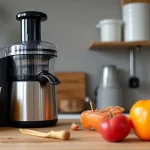
Finding the right juice machine dispenser can seem tricky at first. Many options exist, and knowing where to start can be confusing. But don’t worry!
This guide makes it super simple. We will walk you through everything step by step. Get ready to enjoy fresh juice with your new juice machine dispenser.
Key Takeaways
- Understand the basic types of juice machine dispensers.
- Learn about essential features to consider when buying one.
- Get tips for setting up and using your dispenser correctly.
- Discover how to clean and maintain your machine for longevity.
- Explore common problems and how to fix them.
- Find out where to get the best juice machine dispenser for your needs.
Choosing Your Juice Machine Dispenser
Selecting the correct juice machine dispenser is the first big step. There are several main types available, each with its own uses and benefits. Knowing these differences helps you pick the one that fits your needs best.
From simple pour-and-serve models to more advanced ones with chilling features, the variety is wide. We will break down the most popular styles so you can make an informed choice.
Types of Juice Machine Dispensers
One common type is the gravity-fed dispenser. These often look like large pitchers with a spigot. You fill them with juice, and gravity does the work of pushing the juice out when you open the tap.
They are very simple to use and don’t require electricity. Many people use these for parties or events where they want to serve pre-made drinks easily.
Another popular style is the refrigerated juice dispenser. These machines have a built-in cooling system. This keeps your juice cold and fresh for longer periods.
They are excellent for businesses like cafes, restaurants, or even homes that want to serve chilled juices all day. The cooling element adds complexity but also a significant benefit for maintaining beverage quality.
Some dispensers are designed for specific types of juices. For example, there are machines specifically made for pulpy juices. These might have wider spigots or special mechanisms to handle the thicker consistency without clogging.
Others are perfect for clear juices like apple or cranberry juice. Considering the type of juice you plan to serve is key.
- Gravity-fed dispensers offer simplicity and portability. They are ideal for serving large batches of juice without power. Their basic design makes them easy to clean and set up. You can find them in various sizes, from small countertop models to larger units for events.
- Refrigerated dispensers maintain optimal serving temperature. This is crucial for beverages like orange juice or iced tea. They often have adjustable thermostats for precise temperature control. While they need electricity, the benefit of always having cold drinks is significant.
- Specialty dispensers cater to specific juice types. For instance, machines with wider spouts or self-stirring mechanisms are great for thick or pulpy juices. Choosing a machine designed for your usual juice will prevent clogs and ensure smooth serving.
Key Features to Look For
When you look at a juice machine dispenser, several features stand out. The material it’s made from matters for durability and safety. Clear plastics like BPA-free acrylic or polycarbonate are common because they let you see the juice level easily.
Stainless steel is also used, offering a more premium look and feel, and it’s very durable.
The capacity is another important point. How much juice do you need to serve at once? Dispensers range from small, personal-sized units to large commercial models that can hold gallons.
Think about how many people you usually serve. A larger capacity means fewer refills, which is convenient, especially at busy events.
The design of the spigot or tap is also vital. Some taps are simple levers, while others are push-button or knob-operated. You want a tap that is easy to use for everyone, including children.
It should also be leak-proof to avoid messy drips. Some taps are removable for easy cleaning.
- Material quality affects lifespan and hygiene. Look for food-grade plastics or stainless steel. Clear materials allow easy monitoring of juice levels. Stainless steel offers a sleek appearance and excellent durability.
- Capacity should match your serving needs. Small dispensers are good for personal use, while large ones are suitable for gatherings or commercial settings. Estimate your typical serving volume to avoid constant refilling.
- The tap mechanism should be user-friendly and reliable. Easy-to-operate taps reduce waste and effort. Ensure the tap is leak-proof to prevent spills. Removable taps simplify the cleaning process considerably.
Setting Up Your Juice Machine Dispenser
Once you have chosen your juice machine dispenser, setting it up is usually straightforward. Most units come with a few parts that need to be assembled. This typically involves attaching the tap, placing the lid, and ensuring all seals are secure.
Always check the manufacturer’s instructions because specific models might have unique steps.
Before the first use, it’s a good idea to wash all removable parts with warm, soapy water. This removes any dust or manufacturing residue. Rinse them thoroughly and let them air dry completely.
This ensures your juice tastes fresh from the very first pour.
If your dispenser has a refrigeration unit, plug it in and set the desired temperature. Allow the unit to cool for a bit before adding your juice. This helps maintain the cold temperature right from the start.
Properly setting up ensures your dispenser works efficiently and hygienically.
Assembly and Initial Cleaning
Assembly typically involves screwing on the spigot to the main body of the dispenser. Make sure it’s tightened enough to prevent leaks but not so tight that it damages the plastic threads. Some dispensers also have a drip tray that needs to be attached to the bottom.
This tray catches any small spills or drips from the tap.
Washing the dispenser before its first use is important for health and taste. Use mild dish soap and warm water. Avoid abrasive cleaners that can scratch the plastic or metal.
For dispensers with ice tubes or chilling elements, these parts should also be cleaned and dried thoroughly.
After washing and drying, reassemble the unit. Ensure the lid fits snugly. If your dispenser has a float or a stirring mechanism, make sure it’s correctly placed.
A well-assembled dispenser will prevent leaks and function smoothly when you serve juice.
- Follow manufacturer instructions for assembly. Most units are designed for easy put-together.
- Wash all parts with mild soap and warm water before the first use. This ensures cleanliness and removes any residual odors.
- Ensure all connections, especially the spigot, are secure to prevent leaks.
- If your dispenser has a cooling feature, allow it to pre-cool before adding juice for best results.
Pre-Chilling and Filling
For refrigerated models, plugging in the unit and letting it cool down for at least 30 minutes before adding juice is recommended. This pre-chilling step ensures your beverage is cold from the moment you serve it. The ideal temperature for most juices is between 35-40 degrees Fahrenheit (1.7-4.4 degrees Celsius).
When filling the dispenser, avoid overfilling. Most units have a maximum fill line to prevent spills when the lid is placed on or when the tap is used. If your dispenser has an ice tube or chilling cylinder, ensure it is properly frozen or filled with ice.
This helps keep the juice cold without diluting it, especially for models that don’t have active refrigeration.
For non-refrigerated models, you can add ice to the juice itself or fill the dispenser with pre-chilled juice. Some dispensers have a separate compartment for ice, which is a great way to keep the juice cool. If you’re serving a large crowd, consider chilling your juice in batches and refilling the dispenser as needed to maintain a good temperature.
Statistics show that serving beverages at the correct temperature can significantly impact customer satisfaction. A study found that 85% of consumers prefer their drinks to be served cold, especially juices and teas. This highlights the importance of effective chilling mechanisms in juice dispensers.
- Plug in refrigerated dispensers and let them reach optimal temperature. This usually takes about 30-60 minutes.
- Fill the dispenser up to the recommended fill line. Do not overfill to prevent spillage and ensure proper function.
- If using an ice tube, ensure it is properly prepared (frozen or filled with ice) and inserted into the dispenser.
- For non-refrigerated units, add ice directly to the juice or serve well-chilled juice.
Using Your Juice Machine Dispenser Daily
Using your juice machine dispenser is simple once it’s set up. The main action is operating the tap to dispense the juice. Most taps are designed for easy use, requiring just a simple push or pull.
Always place a cup or glass directly under the spout before opening the tap.
When you’re done dispensing, make sure the tap is fully closed. This prevents dripping and keeps the juice fresh inside. If your dispenser has adjustable settings, like temperature control, ensure they are set correctly.
Regularly checking the juice level helps you know when it’s time to refill.
For refrigerated models, keeping the lid closed as much as possible helps maintain the cold temperature and saves energy. Avoid opening the dispenser unnecessarily. The goal is to have refreshing juice available whenever someone wants it.
Dispensing Juice
To dispense juice, simply place your cup or glass beneath the spigot. Then, gently operate the lever, button, or knob. For lever-style taps, push the lever forward or down.
For push-button types, press the button. For knob types, turn the knob. The juice will flow out.
It’s a good idea to practice dispensing a small amount first to get the hang of it. This helps you control the flow rate and avoid splashing. If the flow is too fast or too slow, you might need to adjust how you operate the tap.
Some taps have a variable flow option.
Once you have the desired amount of juice, release the tap mechanism. The flow should stop immediately. If you notice any dripping after the tap is closed, it might need a slight adjustment or could indicate a worn-out seal.
- Place your container directly under the spout before dispensing.
- Operate the tap smoothly and with gentle pressure.
- Release the tap fully to stop the flow of juice.
- If drips occur after closing, check for proper tap alignment or worn seals.
Maintaining Optimal Temperature
For refrigerated juice machine dispensers, maintaining the set temperature is key. Check the thermostat regularly to ensure it’s working correctly. Avoid placing the dispenser in direct sunlight or near heat sources, as this can make the cooling system work harder and less efficiently.
If you are using a non-refrigerated model, you’ll need to be more proactive about keeping the juice cold. This might involve adding fresh ice to the dispenser periodically or refilling it with chilled juice. Some models have an ice-holding compartment that keeps the juice cold without dilution.
A study published in the Journal of Food Science found that higher temperatures can accelerate the spoilage of beverages, affecting both taste and safety. Keeping juices between 35-40°F (1.7-4.4°C) can extend their shelf life by up to 30% compared to room temperature storage. This emphasizes the importance of temperature control for any juice dispenser.
Consider the environment where your dispenser is located. A busy cafe might need a more powerful refrigeration unit than a home dispenser used occasionally. The ambient room temperature can significantly affect how well the dispenser maintains its internal temperature.
- Monitor the thermostat on refrigerated units regularly.
- Keep dispensers away from heat sources and direct sunlight.
- For non-refrigerated models, replenish ice or chilled juice as needed.
- Ensure the ice holding compartment (if present) is kept full and properly functioning.
Cleaning and Maintenance
Regular cleaning is essential for any juice machine dispenser to ensure hygiene and prolong its life. This prevents the buildup of mold, bacteria, and sticky residue. Making cleaning a routine task will make it much easier in the long run.
The frequency of cleaning depends on how often you use the dispenser and the type of juice you serve. For daily use, a quick rinse of the tap and a wipe-down of the exterior might be enough. However, a more thorough cleaning should be done weekly or bi-weekly.
Always unplug refrigerated dispensers before cleaning. For non-refrigerated units, empty them completely. Disassemble as much as you can for a deep clean.
This ensures all parts are reached and properly sanitized.
Daily Cleaning Routines
After each day’s use, or at least every 24 hours, it’s important to perform some basic cleaning. Empty any remaining juice from the dispenser. Rinse the main body and the spigot with warm water.
This removes any sugary residue that can attract pests or cause odors.
Wipe down the exterior of the dispenser with a damp cloth. Pay attention to the handle of the tap and any other areas that are frequently touched. If you are using a refrigerated unit, you can leave the lid open for a short period to let the interior air out, which helps prevent moisture buildup.
For the spigot, it’s a good idea to run some clean water through it after rinsing. This helps clear out any juice that might be trapped inside. If your tap is removable, take it off and wash it separately.
This ensures a thorough clean of this critical dispensing part.
- Empty and rinse the dispenser daily.
- Wipe down the exterior, focusing on touchpoints.
- Run clean water through the spigot to clear residues.
- If possible, allow the interior to air out briefly.
Deep Cleaning Procedures
A deep clean should be performed regularly, typically once a week for heavy use or every two weeks for lighter use. First, unplug any electrical dispensers. Then, disassemble all removable parts, including the spigot, lid, drip tray, and any ice tubes or chilling elements.
Wash these parts thoroughly with warm, soapy water. For stubborn residue or stains, you can use a mild baking soda paste. Rinse all parts completely with clean water and inspect them for any wear or damage.
If any part looks worn out, consider replacing it to prevent future issues.
The main body of the dispenser can be cleaned with a soft sponge and soapy water. For the interior, a long-handled bottle brush can be very helpful. After washing, reassemble the dispenser only when all parts are completely dry to prevent mold growth.
According to food safety guidelines, regular sanitization of food contact surfaces is critical. While cleaning removes visible dirt and food particles, sanitizing kills harmful bacteria and pathogens. For best results, after washing and rinsing, a mild sanitizing solution (like a diluted bleach solution or commercial food-grade sanitizer) can be used on parts before they are dried and reassembled.
Always follow product instructions for sanitizers.
- Disassemble all removable parts for thorough cleaning.
- Wash parts with warm, soapy water; use baking soda for tough stains.
- Use a brush for hard-to-reach interior areas.
- Rinse parts thoroughly and ensure they are completely dry before reassembly.
- Consider sanitizing parts periodically for extra protection against bacteria.
Troubleshooting Common Issues
Even with the best care, you might encounter minor issues with your juice machine dispenser. The most common problems relate to leaks, slow dispensing, or temperature issues. Fortunately, most of these can be fixed with a few simple steps.
Leaks are often caused by a loose spigot or a worn-out seal. Slow dispensing might be due to a clogged tap or a blockage inside the dispenser. Temperature problems in refrigerated units could point to thermostat issues or the need for more frequent defrosting.
Before calling for service, review these common issues and their solutions. Often, the fix is simple and can be done yourself, saving you time and money. Understanding how your dispenser works helps you identify and resolve problems quickly.
Leaky Spigots and Drips
A leaky spigot is a frequent annoyance. The most common cause is a loose fitting. Try gently tightening the spigot where it attaches to the dispenser body.
If it still leaks, the rubber washer or gasket inside the spigot might be worn or damaged.
To replace a gasket, you’ll need to carefully unscrew the spigot assembly. You can usually find replacement gaskets at hardware stores or online. Make sure to get the correct size and type for your dispenser.
Once replaced, reassemble and test for leaks.
If the drip is coming from the main tap mechanism itself, even when closed, it might be time to replace the entire spigot unit. Some spigots are designed for easy replacement, while others might require more effort. Check your dispenser’s manual for specific instructions.
- Check if the spigot is tightly secured to the dispenser.
- Inspect the rubber gasket or washer inside the spigot for wear or damage.
- If persistent, consider replacing the entire spigot assembly.
Slow Juice Flow
When juice flows out too slowly, it’s often due to a clog. This can happen in the spigot or in the dispensing tube leading to it. If you’re serving pulpy juice, this issue is more common.
Try running hot water through the spigot to clear minor blockages. If that doesn’t work, you might need to disassemble the spigot and clean it manually. Use a small brush or a toothpick to remove any debris lodged inside.
Another reason for slow flow could be a lack of air circulation inside the dispenser. Some models have a small vent or air hole that needs to be clear. Ensure this vent is not blocked by juice or residue.
For gravity dispensers, tilting the dispenser slightly might improve flow.
A scenario: Sarah was serving fresh lemonade at a summer picnic. Her juice machine dispenser started dispensing very slowly, causing a line to form. She realized the lemon pulp had partially blocked the spigot.
After carefully disassembling the spigot and cleaning out the pulp with a small brush, the flow returned to normal, and everyone was happy.
- Check for clogs in the spigot and dispensing tube.
- Use hot water or a cleaning brush to remove blockages.
- Ensure any air vents on the dispenser are clear.
- Consider serving juices with less pulp or using a dispenser designed for pulpy drinks.
Temperature Control Problems
If your refrigerated juice machine dispenser isn’t keeping the juice cold enough, there are a few potential causes. First, check the thermostat setting. Ensure it’s set to a sufficiently low temperature.
Sometimes, settings can be accidentally changed.
If the thermostat is set correctly, consider how often the lid is opened. Frequent opening lets cold air escape, making the unit work harder. Also, ensure the dispenser isn’t overloaded, as this can restrict airflow and cooling.
For units that have an ice-making function or a chilling tube, check if these are functioning properly. The compressor might be faulty, or the unit might need to be defrosted if it has accumulated too much ice. If problems persist, it might be time to contact a repair professional.
- Verify the thermostat is set to the correct cold temperature.
- Limit frequent opening of the dispenser lid.
- Ensure the unit is not overfilled, allowing for proper air circulation.
- Check the functionality of cooling components like the compressor or chilling tube.
Where to Buy Your Juice Machine Dispenser
Finding the right juice machine dispenser is made easier when you know where to look. There are several types of retailers that offer these appliances, each with its own advantages. Your choice of where to buy might depend on your budget, preferred brands, and the level of customer service you expect.
Online marketplaces offer a vast selection and often competitive pricing. Specialty kitchen supply stores can provide expert advice and hands-on experience with different models. Even large department stores might carry basic models.
When purchasing, always consider the warranty and return policy. This gives you peace of mind in case of any defects or if the product doesn’t meet your expectations. Reading reviews from other customers can also be very helpful.
Online Retailers
Major online retailers like Amazon, Walmart, and specialized kitchen appliance websites are excellent places to start. They offer a wide variety of juice machine dispensers from numerous brands. You can easily compare prices, read customer reviews, and check product specifications all from your computer or phone.
Many online stores offer free shipping and easy returns, which can be a big advantage. You can often find exclusive deals and discounts that might not be available in physical stores. Be sure to check the seller’s reputation and read reviews carefully to ensure you’re buying from a trustworthy source.
For example, a user named Mark was looking for a commercial-grade juice machine dispenser for his small cafe. He found a highly-rated model on a large online platform. The detailed product description, customer Q&A section, and positive reviews helped him make an informed decision.
He received the dispenser within a few days, and it has been working perfectly.
- Vast selection and competitive pricing are common.
- Easy comparison of brands, models, and features.
- Convenient home delivery and often free shipping.
- Customer reviews provide valuable insights before purchasing.
Physical Stores and Specialty Shops
If you prefer to see and touch a juice machine dispenser before buying, visiting physical stores is a good option. Department stores often have a kitchen appliance section. For a wider selection and expert advice, look for specialty kitchen supply stores.
In these stores, you can ask questions directly to sales staff, who can often provide demonstrations or highlight key features. Seeing the size and build quality in person can be very helpful. Many specialty stores also offer installation services or extended warranties.
Consider stores that focus on home goods or catering equipment. They are more likely to stock a good range of juice dispensers, from everyday models to more professional units. The advantage here is the immediate availability of the product and the ability to get personalized recommendations.
- Allows for hands-on inspection of the product.
- Opportunity to receive expert advice from staff.
- Immediate availability for most in-stock items.
- Potential for personalized recommendations based on your needs.
Common Myths Debunked
Myth 1: All Juice Machine Dispensers Are Difficult to Clean
This is a common misconception. While some complex models might require more effort, many juice machine dispensers are designed with user-friendliness in mind. Simple gravity dispensers often have very few parts, making them easy to wash.
Even refrigerated units typically have removable parts that can be washed in a sink or dishwasher. Regular, simple cleaning routines prevent grime buildup, making deep cleans much easier.
Myth 2: Juice Machine Dispensers Are Only for Commercial Use
Not at all! While commercial kitchens and restaurants certainly use large dispensers, there are many smaller, affordable juice machine dispensers perfect for home use. These are great for families who enjoy fresh juice regularly, for parties, or for keeping beverages cold and accessible in the refrigerator.
They add convenience and a touch of flair to any home beverage station.
Myth 3: Juice Machine Dispensers Make Juice Last Longer
This is partially true but needs clarification. Refrigerated juice machine dispensers help maintain the cold temperature, which slows down spoilage and keeps juice fresh for longer compared to leaving it at room temperature. However, they do not magically preserve juice indefinitely.
Freshly squeezed juice still has a limited shelf life, and it’s best to consume it within a few days, even when properly chilled in a dispenser.
Myth 4: All Juice Machine Dispensers Require Electricity
This is incorrect. While refrigerated models definitely need power to operate their cooling systems, many basic juice machine dispensers are gravity-fed. These models do not require any electricity and work simply by using the force of gravity to dispense the liquid through a tap.
They are excellent for outdoor events or when power outlets are not readily available.
Frequently Asked Questions
Question: How do I know which size juice machine dispenser to buy?
Answer: Consider how much juice you typically serve at once. For personal use or small gatherings, a 1-2 gallon dispenser might be enough. For larger events or commercial use, look for dispensers holding 3 gallons or more.
Question: Can I use a juice machine dispenser for drinks other than juice?
Answer: Yes, absolutely! Juice machine dispensers are great for serving iced tea, lemonade, infused water, cold brew coffee, and other cold beverages.
Question: How often should I clean my juice machine dispenser?
Answer: For daily use, a quick rinse and wipe-down are recommended each day. A thorough deep clean should be performed at least once a week, or every two weeks if usage is light.
Question: Will my juice machine dispenser keep juice cold if it’s not refrigerated?
Answer: Non-refrigerated dispensers will keep juice cool if you add ice directly to the juice or to a separate ice compartment. They do not actively cool the juice like refrigerated models do.
Question: What is the best way to prevent my juice dispenser from clogging?
Answer: If serving pulpy juices, choose a dispenser with a wider spigot or a self-stirring mechanism. Straining the juice before pouring it into the dispenser can also help prevent clogs.
Wrap Up
Choosing and using a juice machine dispenser is straightforward. You can find models for any need and budget, from simple gravity types to efficient refrigerated units. Follow the easy setup and cleaning tips to keep your machine running smoothly.
Enjoy fresh, delicious juice anytime with your new dispenser.