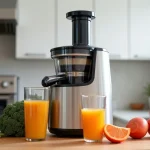
Getting started with your new joybear cold press juicer machine might seem tricky at first. Many people find the setup or cleaning a bit confusing when they first unbox it. But don’t worry!
It’s much simpler than it looks. We’re going to walk through everything step-by-step so you can start making delicious, healthy juices right away. Get ready to enjoy fresh flavors in no time!
Key Takeaways
- Learn how to properly assemble your joybear cold press juicer machine.
- Discover the best ways to prepare your fruits and vegetables for juicing.
- Understand the simple cleaning process to keep your machine working well.
- Find tips for getting the most juice from your produce.
- Explore ways to use the pulp for other tasty recipes.
- Gain confidence in using your joybear cold press juicer machine daily.
Understanding Your Joybear Cold Press Juicer Machine
The joybear cold press juicer machine is a popular choice for many households looking to make fresh, healthy juices. Unlike traditional centrifugal juicers, cold press juicers operate at a much slower speed. This slower process helps to preserve more nutrients and enzymes from your fruits and vegetables.
It also produces less heat, which can degrade some of the beneficial compounds in your produce. This gentle extraction method results in a higher yield of juice and a pulp that is drier.
When you first get your joybear cold press juicer machine, it might look like a lot of parts. However, each piece has a specific job in creating that perfect glass of juice. The main components usually include a chute for feeding ingredients, a screw or auger that crushes and presses the produce, a filter or screen to separate the juice from the pulp, and containers for collecting the juice and pulp.
Understanding these parts will make operating and cleaning your juicer much easier.
Many beginners wonder about the best way to use their cold press juicer. Some common questions involve how to cut ingredients, what kinds of produce work best, and how to avoid clogging the machine. This section will demystify these aspects.
We will explain the simple science behind cold pressing and how your joybear machine makes it effortless.
The Science Behind Cold Press Juicing
Cold press juicing, also known as masticating juicing, uses a slow-moving auger to crush and press fruits and vegetables. This auger grinds the produce against a screen, extracting the juice without generating much heat. This contrasts with centrifugal juicers, which spin at high speeds, creating friction and heat.
The heat can cause oxidation, leading to a loss of vitamins and minerals. Cold pressing minimizes oxidation, keeping your juice fresher and more nutrient-dense for longer periods. This method is excellent for extracting juice from leafy greens, wheatgrass, and herbs, which traditional juicers often struggle with.
The slow speed of a cold press juicer, typically around 40-80 RPM (revolutions per minute), is key to its efficiency. Centrifugal juicers can spin at speeds of 1,500 to 15,000 RPM. The gentle crushing action of the auger breaks down the cell walls of the produce more effectively.
This releases more of the natural juices and beneficial compounds. The result is a richer flavor and a more vibrant color in your juice. You’ll notice that the pulp expelled is often very dry, indicating that almost all the liquid has been extracted.
This method also allows for a much higher juice yield compared to other juicing methods. You’ll get more juice from the same amount of produce, which is cost-effective and reduces waste. The slow speed also means the juicer operates much more quietly than a centrifugal juicer.
This makes it a pleasant appliance to use, even early in the morning.
Key Components of Your Joybear Juicer
Your joybear cold press juicer machine is made up of several parts that work together seamlessly. Understanding each component helps in assembly, operation, and cleaning. The main parts are typically the motor base, the juicing bowl or chamber, the auger (the screw-like part), the filter or strainer, and the juice and pulp containers.
Some models might also have a pusher to help guide ingredients down the chute.
The motor base is the powerhouse of your juicer. It contains the motor that drives the auger. It’s important to place this on a stable, flat surface when juicing.
The juicing bowl sits on top of the motor base and houses the other juicing components. It’s usually where you add your prepared ingredients.
The auger is arguably the most critical part of a cold press juicer. This is the slow-rotating screw that crushes the produce and presses it against the screen. Its design is crucial for efficient juice extraction.
The filter or strainer is a fine mesh that separates the juice from the fibrous pulp. The holes in the strainer are designed to let the liquid pass through while retaining the solids.
Finally, you’ll have containers for collecting the juice and the pulp. These are usually placed at the front and back of the juicer, respectively. Some machines have specific spouts or outlets for these.
Having these containers ready before you start juicing is a good practice to keep your counter clean and organized.
Using Your Joybear Cold Press Juicer Machine
Operating your joybear cold press juicer machine is straightforward once you understand the basic steps. The primary goal is to get the most juice with the least effort. This involves preparing your produce correctly and feeding it into the juicer at the right pace.
Following these guidelines will ensure a smooth juicing experience and delicious results every time.
Before you even turn on the machine, take time to prepare your ingredients. This step is crucial for both the efficiency of your juicer and the quality of your juice. Washing all produce thoroughly is essential.
For hard items like carrots or apples, cutting them into pieces that fit easily into the chute is necessary. Softer items like berries or leafy greens often require less preparation. Removing large pits or tough seeds is also a good idea, as these can sometimes damage the juicer or affect the juice taste.
Once your ingredients are prepped, it’s time to assemble the juicer. Make sure all parts are securely in place. Then, you can start feeding your ingredients into the chute.
Use the pusher gently to guide items down. It’s often best to alternate between soft and hard ingredients, or leafy greens and fruits, to help keep the juicer from getting clogged. Let the machine do the work; avoid forcing ingredients down.
Patience is key to getting the best results from your joybear cold press juicer machine.
Preparing Your Produce for Juicing
Proper preparation of your fruits and vegetables is a vital step for successful juicing with your joybear cold press juicer machine. This step ensures that your juicer operates smoothly, maximizes the amount of juice you get, and results in a better-tasting beverage. It also helps to prevent potential damage to the machine.
Taking a few extra minutes to prepare your ingredients correctly will save you time and frustration later.
First and foremost, always wash all produce thoroughly under cool running water. This removes dirt, pesticides, and other residues. For items with peels that you intend to juice, like apples, pears, or cucumbers, consider whether the peel adds flavor or nutrients.
Many juicers can handle thin peels, but it’s often best to remove thick or waxy peels. For citrus fruits, it’s usually recommended to peel them to avoid bitter oils from the rind getting into your juice.
Next, cut your ingredients into pieces that are appropriate for your juicer’s chute. For larger fruits and vegetables like apples, carrots, or beets, cut them into segments that are no wider than the chute opening. This makes them easier to feed into the juicer and prevents them from getting stuck.
For leafy greens like spinach or kale, you can often feed them in as whole leaves, but it might be helpful to bunch them together.
Remove any hard pits, large seeds, or woody stems. For example, peach pits, apple seeds (though small ones are often fine), and tough broccoli stems should be removed. Some juicers can handle small seeds like those in berries, but it’s always good to check your machine’s manual.
Properly prepared ingredients will flow easily through the juicer, leading to a clean extraction and less pulp.
The Juicing Process Step-by-Step
Once your ingredients are ready and your joybear cold press juicer machine is assembled, you’re ready to start juicing! Follow these simple steps for a smooth and efficient process.
- Plug in and turn on the juicer. Ensure the juice and pulp containers are in place before starting the machine.
- Feed ingredients into the chute. Begin with leafy greens or softer items to help get the juicing process started.
- Use the pusher gently. Guide ingredients down the chute, but do not force them. Let the auger do the work.
- Alternate ingredient types. Mix hard produce, soft fruits, and leafy greens to maintain a consistent flow and prevent clogging.
- Continue until all ingredients are juiced. Watch as fresh juice fills your container and pulp is expelled into its designated catcher.
It’s important to feed the ingredients at a steady pace. If you overload the chute, the juicer might struggle, and the quality of the juice might suffer. The slow, steady action of the auger is designed to extract the maximum amount of juice.
If you notice the pulp becoming wetter, it might indicate that the machine is struggling, and you may need to pause and allow it to finish processing before adding more ingredients.
Some users find it helpful to put harder items through first, followed by softer items, and then leafy greens. Others prefer to mix them. Experimenting with different orders can help you discover what works best for your specific produce combinations.
The key is to maintain a consistent, manageable flow for the juicer.
Tips for Maximum Juice Yield
Getting the most juice from your produce is a common goal for anyone using a juicer. With your joybear cold press juicer machine, there are several strategies you can employ to ensure you extract every possible drop of delicious, healthy juice. These tips focus on ingredient choice, preparation, and operational techniques.
- Use fresh, high-quality produce. Ripe and firm fruits and vegetables contain more water and juice than wilted or overripe items. Always select produce that feels heavy for its size, as this often indicates higher water content.
- Consider your produce choices. Certain fruits and vegetables are naturally juicier than others. For example, cucumbers, watermelon, celery, and oranges yield a lot of liquid. Denser items like apples and carrots are also great sources of juice.
- Chop ingredients appropriately. Smaller pieces can sometimes break down more easily, allowing the auger to extract more juice. Ensure the pieces are small enough to fit comfortably in the chute but not so small that they pass through the screen without being fully processed.
- Run pulp through again. For certain fibrous ingredients, running the expelled pulp through the juicer a second time can sometimes yield a little extra juice. Be cautious with this, as it can increase the risk of clogging the machine if done too often or with the wrong ingredients.
- Ensure a good seal. Make sure the juice spout is closed if your model has one, and that the pulp chute is properly positioned. This helps to maintain pressure within the juicing chamber, encouraging maximum extraction.
When you use ingredients that are very watery, like cucumbers or celery, you’ll notice a significant amount of juice. Pairing these with less juicy but nutrient-dense items like kale or spinach can create a balanced and highly nutritious drink. It’s also beneficial to ensure your juicer’s screen is clean; a clogged screen will significantly reduce juice yield.
Cleaning and Maintaining Your Joybear Juicer
Keeping your joybear cold press juicer machine clean is essential for its longevity and the quality of your juice. A clean juicer operates more efficiently and prevents the buildup of bacteria or mold. Fortunately, cleaning a cold press juicer is typically a quick and straightforward process, especially if you do it soon after each use.
This section will guide you through the best practices for maintaining your juicer.
The most important rule for cleaning is to do it immediately after you finish juicing. As soon as you’re done, unplug the machine. Disassemble the main parts that come into contact with food and pulp.
Most parts are designed for easy removal. Rinsing them under running water right away will prevent any residual pulp or juice from drying and becoming hard to remove. This simple habit makes deep cleaning much easier later on.
For a quick clean, you can often rinse the parts under warm water. For more stubborn pulp or sticky residues, a soft brush or sponge can be very helpful. Many juicer parts are also dishwasher safe, but always check your manual to be sure.
Regular cleaning not only keeps your juicer hygienic but also ensures that it functions at its best, providing you with great-tasting juice every time. Proper care will extend the life of your joybear cold press juicer machine.
Daily Cleaning Routine
A consistent daily cleaning routine is the best way to keep your joybear cold press juicer machine in top condition. This routine should be performed immediately after each juicing session. Waiting too long can cause pulp to dry and stick, making cleaning much more difficult and potentially affecting the performance of your juicer over time.
First, unplug your juicer. Then, carefully disassemble the main components that come into contact with food. This typically includes the juicing bowl, the auger, the filter screen, and the juice and pulp containers.
Place these parts under a faucet and rinse them thoroughly with warm water. This initial rinse will wash away most of the loose pulp and juice.
For more persistent pulp, especially in the filter screen, use a soft brush or sponge to gently scrub away any residue. Some juicers come with a special cleaning brush designed for their screens. If your juicer’s parts are dishwasher safe, you can place them in the dishwasher for a more thorough clean.
However, always refer to your juicer’s instruction manual to confirm which parts can be safely washed in a dishwasher. Ensure all parts are completely dry before reassembling or storing them to prevent mold or mildew growth.
Deep Cleaning and Storage
While daily cleaning is essential, occasional deep cleaning ensures that your joybear cold press juicer machine remains hygienic and functions optimally. This might be needed every few weeks or as recommended in your juicer’s manual, depending on how frequently you use it. Deep cleaning involves a more thorough inspection and cleaning of all parts.
During a deep clean, pay close attention to any small crevices or areas where pulp might accumulate. A small brush, like an old toothbrush, can be very useful for reaching these tight spots. For components that are not dishwasher safe, soaking them in warm, soapy water for a short period can help loosen dried-on residues.
Remember to rinse all parts thoroughly after using soap to ensure no detergent remains.
After cleaning, allow all parts to air dry completely before storing them. You can place them on a drying rack or wipe them down with a clean, lint-free cloth. Storing the juicer in a dry place, away from direct sunlight and moisture, is ideal.
If you plan to store it for an extended period, consider covering it with a dust cover or its original box to keep it clean. Some people choose to store their juicers assembled for convenience, while others prefer to store parts separately. Ensure the motor base is wiped clean with a damp cloth, and never immerse it in water.
Troubleshooting Common Juicing Issues
Even with the best juicers, you might encounter a few common issues from time to time. Understanding how to address these will ensure your experience with your joybear cold press juicer machine remains positive and productive. Most problems are easily resolved with a few simple adjustments.
- Juicer is not starting. Ensure the juicer is properly plugged into a working outlet. Check that all parts are assembled correctly and securely locked in place. Many juicers have safety features that prevent them from operating if not assembled properly.
- Juice is too foamy. While some foam is normal with cold press juicers, excessive foam can be reduced by juicing slower and allowing the machine to process ingredients fully. Also, avoid overfilling the chute or feeding ingredients too quickly.
- Pulp is too wet. This usually means the juicer is not extracting all the juice. Ensure your ingredients are fresh and firm. If you are juicing very soft fruits, consider adding a firmer ingredient like apple or carrot to help absorb moisture and improve pulp dryness.
- Machine is clogging. This often happens when too much fibrous material is fed in too quickly, or when hard items like large fruit pieces are forced down. Always cut ingredients to size and alternate soft and hard produce. If it clogs, turn off the machine, unplug it, and carefully clear the blockage.
If you encounter an issue that isn’t listed here, or if you’re unsure about a problem, always refer to the user manual for your specific joybear cold press juicer machine model. The manual will often have a dedicated troubleshooting section that can provide detailed solutions.
Creative Ways to Use Your Juicer and Pulp
Your joybear cold press juicer machine is fantastic for making nutritious juices, but its utility doesn’t stop there. The pulp left behind after juicing is a valuable byproduct that can be used in many creative and delicious ways. Instead of discarding it, consider these options to reduce waste and get even more value from your produce.
The pulp from your juicer is a concentrated source of fiber and nutrients. This makes it a great ingredient for adding to other recipes. For instance, you can incorporate vegetable pulp into savory dishes like muffins, fritters, or veggie burgers.
Fruit pulp can be used in baked goods, smoothies, or even homemade jams. Thinking about the pulp as an ingredient rather than waste opens up a world of culinary possibilities.
Beyond food, pulp can even be used in gardening. It can be added to your compost bin to enrich the soil. Some people also use certain types of pulp as natural beauty treatments.
Exploring these uses not only makes your juicing more sustainable but also adds variety to your diet and household practices. Here are some ideas to get you started.
Recipes Using Juice Pulp
Don’t throw away that pulp! It’s packed with fiber and flavor, making it a perfect addition to many recipes. Your joybear cold press juicer machine leaves you with a nutritious ingredient that can be transformed into tasty meals and snacks.
Here are some popular ways to use your juice pulp:
- Pulp Muffins or Bread: Mix vegetable pulp (like carrot, zucchini, or beet pulp) into your favorite muffin or quick bread batter. It adds moisture and nutrients, making your baked goods healthier and more flavorful. You might need to adjust the liquid in your recipe slightly depending on the pulp’s moisture content.
- Veggie Burgers or Fritters: Combine vegetable pulp with binders like breadcrumbs, flour, or egg, and seasonings. Form into patties or small fritters and pan-fry or bake for a wholesome meal. This is a great way to use up a mix of leftover vegetable pulps.
- Smoothie Boost: Add a spoonful or two of fruit pulp to your morning smoothie. It thickens the smoothie and adds extra fiber and nutrients without significantly altering the taste. It’s an easy way to boost the nutritional value of your drink.
- Pulp Crackers: Dehydrate your pulp until it’s dry and crumbly. Mix with seeds, herbs, and a little oil or water, then spread thinly on a baking sheet and bake at a low temperature until crisp. These make delicious, healthy crackers.
- Compost Addition: If you don’t want to cook with it, your pulp is excellent for your compost bin. It breaks down quickly and adds valuable organic matter to your compost, enriching your garden soil.
When using pulp in recipes, consider the flavor profile of the original produce. Carrot and apple pulp will impart a sweeter note, while kale or spinach pulp will be more earthy. Adjust your seasonings accordingly.
This not only reduces waste but also adds unique textures and nutritional benefits to your cooking.
Healthy Juice Combinations to Try
Once you’re comfortable with your joybear cold press juicer machine, you’ll want to experiment with different juice combinations. The possibilities are endless, but starting with some tested recipes can help you discover new favorite flavors and nutritional benefits. These combinations are designed to be both delicious and highly beneficial for your health.
A classic green juice is a great starting point. Try combining kale, spinach, cucumber, celery, and a green apple. Add a small piece of ginger for a little zing and a squeeze of lemon for brightness.
This combination is packed with vitamins and minerals, and the ginger and lemon help to make it refreshing.
For something sweeter, consider a fruity blend. Combine berries like strawberries or blueberries with an apple and a few slices of carrot. If you want to add a healthy fat, a small piece of avocado can make the juice creamier and more filling.
Always remember to wash your produce thoroughly before juicing.
- Green Powerhouse
- 2 cups kale (stems removed)
- 1 cup spinach
- 1 cucumber
- 2 celery stalks
- 1 green apple
- 1-inch piece of ginger
- 1/2 lemon (peeled)
- Sunrise Citrus Boost
- 2 oranges (peeled)
- 1 grapefruit (peeled)
- 1 carrot
- 1/2-inch piece of turmeric root (or 1/2 tsp turmeric powder)
- Berry Beet Blast
- 1 small beet (peeled)
- 1 cup mixed berries (strawberries, blueberries, raspberries)
- 1 apple
- 1/4 cup fresh mint leaves
- Tropical Hydrator
- 1/2 pineapple (peeled)
- 1 cucumber
- 1 cup watermelon (rinds removed)
- 5-6 fresh mint leaves
These are just starting points. Feel free to adjust the quantities based on your taste preferences and the availability of ingredients. Remember that the beauty of a cold press juicer like the joybear is its ability to handle a wide variety of produce, allowing for endless creative juice recipes.
Common Myths Debunked
Myth 1: Cold Press Juicers Are Too Complicated to Use
Many people think that high-tech appliances like cold press juicers are difficult to operate. However, your joybear cold press juicer machine is designed with user-friendliness in mind. The assembly is usually intuitive, involving just a few main parts that click or lock into place.
Preparing produce is similar to what you’d do for other cooking tasks. The juicing process itself is largely automated once you start feeding ingredients. The real simplicity comes in the maintenance, as quick rinsing after use prevents major cleaning hassles.
Myth 2: Juicing Destroys All Nutrients
There’s a misconception that juicing removes all the beneficial nutrients from fruits and vegetables. In reality, cold press juicing specifically aims to preserve nutrients. By slowly crushing and pressing, it minimizes heat and oxidation, which are the main culprits in nutrient degradation.
While fiber is separated, the vitamins, minerals, and enzymes are extracted into the juice. This makes nutrients more bioavailable, meaning your body can absorb them more easily. This is a significant advantage over some other cooking methods.
Myth 3: You Need to Buy Expensive Juicing Ingredients
While organic and exotic produce are great, you don’t need to spend a lot to make healthy juices. Many common fruits and vegetables are excellent for juicing and are often budget-friendly. Items like carrots, apples, celery, cucumbers, and even seasonal greens can provide a wealth of nutrients at an affordable price.
Buying in season or looking for sales can also help keep your juicing costs down. The key is to choose fresh, good-quality produce.
Myth 4: Cold Press Juicer Pulp is Useless Waste
As discussed earlier, the pulp left behind by your joybear cold press juicer machine is far from useless. It’s rich in dietary fiber, which is essential for digestive health. This fiber can be incorporated into baked goods, smoothies, or used to make veggie patties and crackers.
Treating the pulp as a culinary ingredient rather than waste is both economical and environmentally friendly, making your juicing practice more sustainable.
Frequently Asked Questions
Question: How often should I clean my joybear cold press juicer machine
Answer: It is best to clean your joybear cold press juicer machine immediately after each use. A quick rinse of the parts will prevent pulp from drying and becoming difficult to remove, ensuring your juicer stays hygienic and functions efficiently.
Question: Can I juice citrus fruits with the peel on
Answer: Generally, it is recommended to peel citrus fruits before juicing them in a cold press juicer. The peel contains bitter oils that can affect the taste of your juice. Some models might handle thin peels, but checking your manual is always best.
Question: What is the difference between cold press and centrifugal juicers
Answer: Cold press juicers, like your joybear model, use a slow-moving auger to crush and press produce, preserving more nutrients and producing less heat. Centrifugal juicers use high-speed spinning blades, which generate more heat and can degrade some nutrients.
Question: My juicer seems to be struggling with leafy greens. What can I do
Answer: Leafy greens can sometimes be tricky. Try bunching them together and feeding them with a firmer fruit or vegetable, like an apple or carrot. This helps push the greens through the juicer more effectively.
Question: How long can I store the juice made by my joybear cold press juicer machine
Answer: Juice made with a cold press juicer can typically be stored in an airtight container in the refrigerator for up to 48-72 hours. However, it’s always best to drink it as fresh as possible to enjoy the maximum nutritional benefits.
Summary
Your joybear cold press juicer machine is a fantastic tool for healthy living. You’ve learned how it works, how to prepare your ingredients, and how to clean it easily. Remember to have fun experimenting with different juice recipes and using the pulp.
Enjoy the fresh, delicious results!