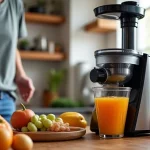
Getting a carrot juicer machine for home might seem tricky at first. You want tasty, healthy carrot juice, but the choices can feel overwhelming. Many people worry about how easy they are to use or clean.
This guide makes it simple. We’ll walk through everything step-by-step so you can get to making delicious carrot juice right away.
Key Takeaways
- Understand the different types of carrot juicers available for home use.
- Learn how to choose the best carrot juicer machine for your specific needs.
- Discover tips for using and maintaining your carrot juicer effectively.
- Explore the health benefits of fresh carrot juice made at home.
- Find out common issues and how to solve them with your carrot juicer.
Exploring Carrot Juicer Machine Types For Home
When you decide to get a carrot juicer machine for home, you will see a few main kinds. Each works a bit differently, and knowing these differences helps you pick the right one. Think about how much juice you want to make and how much space you have.
These machines are built to make juicing easy and fast.
Centrifugal Juicers
Centrifugal juicers are very common for home use. They work by spinning a basket with a fine mesh at high speeds. This spinning action separates the juice from the pulp.
A sharp blade at the bottom grinds the produce, and the spinning forces the juice through the mesh and out a spout. The pulp is collected in a separate bin. They are usually faster than other types and often more affordable.
However, the high speed can sometimes heat the juice a little, which might affect some nutrients. They can also be a bit noisier.
These machines are great for beginners because they are straightforward to operate. You just place your carrots (and other fruits or veggies) into the chute and turn the machine on. The whole process is quick.
Most have a wide chute, so you often don’t need to chop your carrots into tiny pieces, which saves prep time. This makes them a popular choice for busy households.
One key thing to remember with centrifugal juicers is that they are best for harder fruits and vegetables like carrots, apples, and beets. They may not perform as well with leafy greens. Also, because the spinning creates a lot of force, some of the juice can get exposed to oxygen, which might lead to it oxidizing faster.
This means it’s best to drink the juice soon after making it for the freshest taste and maximum nutrient benefit.
Masticating Juicers
Masticating juicers, also known as slow juicers, work by crushing and pressing the produce. They use a single auger (a screw-like mechanism) to grind the carrots and squeeze out the juice. This slower process means less heat is generated, which is good for preserving nutrients.
They are also generally quieter than centrifugal juicers and can handle leafy greens and softer fruits better. The juice yield is often higher with masticating juicers compared to centrifugal ones.
Because they press the juice out slowly, masticating juicers can give you a richer, more vibrant juice. This method also tends to produce less foam and oxidation. This means your carrot juice can stay fresh for a bit longer in the refrigerator.
If you are serious about getting the most nutrients and the best quality juice, a masticating juicer is a very good option.
Masticating juicers can be broken down into two main sub-types: single-auger and twin-auger. Single-auger models are the most common. Twin-auger models have two augers that work together to crush and press the produce, offering even more efficiency and juice yield.
While they are more expensive, they are very effective. Cleaning can sometimes take a bit longer due to more parts, but many newer models are designed for easier disassembly and washing.
Twin-Gear Juicers
Twin-gear juicers are a type of masticating juicer that uses two meshing gears (augers) to extract juice. These gears rotate towards each other, creating a powerful crushing and grinding action. This method is extremely efficient, producing very dry pulp and high juice yields.
Twin-gear juicers are excellent for extracting juice from fibrous vegetables like carrots and celery, as well as leafy greens. They are also known for their durability and ability to process a wide range of ingredients.
The dual-gear system in these juicers provides a very thorough extraction. It essentially chews up the produce very finely before pressing the juice out. This means you get more juice from your carrots and less waste.
These machines are often considered the top-tier for juicing hard vegetables and fibrous greens. They can also be used for making nut butters and sorbets, adding to their versatility.
While twin-gear juicers offer superior performance, they also come with a higher price tag and can be more complex to clean. The gears themselves require careful washing to ensure no residue is left behind. However, for those who prioritize the absolute best juice quality and yield, and who plan to juice frequently, the investment can be well worth it.
Their robust construction means they are built to last for many years.
How To Choose The Best Carrot Juicer For Your Home
Selecting a carrot juicer machine for home involves thinking about your personal needs and preferences. There isn’t one “best” juicer for everyone. Instead, it’s about finding the one that fits your lifestyle, budget, and how you plan to use it.
Consider what kind of juice you want, how much time you have, and how much space you have in your kitchen.
Budget Considerations
Juicers range widely in price. Centrifugal juicers are typically the most budget-friendly, often starting around $50 to $100. These are great if you’re just starting out or don’t plan to juice every day.
Masticating juicers are usually more expensive, with prices ranging from $150 to $300 or more. They offer better performance and nutrient retention but require a larger initial investment. Twin-gear juicers are at the higher end, sometimes costing $300 to $600 or even more, due to their advanced technology and durability.
When setting your budget, also think about the cost of operation. Some juicers might use more electricity or require more frequent
It’s also wise to consider the cost of
Ease of Use And Cleaning
For many people, how easy a juicer is to use and clean is a major deciding factor. Centrifugal juicers are generally very simple to operate. They often have wide chutes, meaning less prep work, and their parts are usually dishwasher safe, making cleanup faster.
However, some can be bulky and have a lot of parts to wash by hand if not put in the dishwasher.
Masticating juicers, especially twin-gear models, can require more prep work, like cutting carrots into smaller pieces. While they are quiet and yield great juice, their cleaning process can sometimes be more involved. Many newer masticating juicers have improved designs to make cleaning easier, with fewer parts or smoother surfaces.
Always check reviews specifically mentioning cleaning ease.
Consider if you have the time and inclination for more involved cleaning. If you’re in a rush in the morning, a juicer that takes minutes to rinse and put back together might be ideal. If you don’t mind a more thorough wash after juicing, then a more powerful but slightly more complex machine could be a good fit.
Some juicers come with cleaning brushes, which can be very helpful.
Juice Yield And Quality
The amount of juice you get from your carrots (juice yield) and the quality of that juice are important. Masticating and twin-gear juicers generally provide a higher juice yield than centrifugal juicers. This means you get more liquid from the same amount of carrots, which is more economical and less wasteful.
The quality of juice refers to factors like nutrient content, oxidation, and pulp content.
Masticating and twin-gear juicers, due to their slow-speed crushing action, preserve more enzymes and nutrients in the juice. They also produce less heat and oxidation, meaning the juice tastes fresher and lasts longer. Centrifugal juicers, while faster, can sometimes create more foam and expose the juice to more air, leading to quicker oxidation and a slightly less nutrient-dense product.
If you are looking for the absolute best in terms of nutrient preservation and juice freshness, a masticating or twin-gear juicer is usually the way to go. If you’re happy with a good, fresh juice and prioritize speed and affordability, a centrifugal juicer can still be a great option for your carrot juicer machine for home.
Using Your Carrot Juicer Machine For Home
Once you have your new carrot juicer machine for home, learning to use it properly will help you get the best results and make it last longer. Each type of juicer has its own way of working, but some general tips apply to all. Following these steps will help you enjoy delicious, healthy carrot juice.
Preparation Is Key
Before you start juicing, prepare your carrots. Wash them thoroughly to remove any dirt. For most juicers, especially centrifugal ones with wide chutes, you won’t need to peel them unless they have very tough skin or have been waxed.
If the carrots are very large, you might need to cut them into pieces that fit your juicer’s chute. Remove any damaged or soft spots.
For masticating and twin-gear juicers, smaller pieces might be necessary to help the auger grab and process the carrots efficiently. Some people also like to trim the very tops and bottoms. If you are juicing other ingredients along with carrots, prepare them at the same time.
For instance, apples might need to be cored, and citrus fruits peeled.
This preparation ensures that your juicer runs smoothly and efficiently. It also helps to prevent the machine from getting jammed. Taking a few extra minutes to prep your produce can save you time and frustration later.
It also contributes to a cleaner final juice by removing any unwanted bits.
The Juicing Process
Turn on your juicer before adding any produce. This is especially important for centrifugal juicers, as the spinning action needs to be at full speed to work correctly. For masticating juicers, you can often add the produce more slowly.
Feed the carrots and other prepared ingredients into the chute, one piece at a time, or in small batches.
Use the pusher that comes with your juicer to guide the produce down the chute. Avoid forcing the produce, as this can strain the motor. Let the machine do the work.
If you’re using a centrifugal juicer, you might hear the pulp bin filling up. For masticating juicers, you’ll see juice flowing out and pulp being ejected.
If you are making mixed juices, consider the order you add ingredients. For example, a piece of hard carrot can help push softer fruits through the auger of a masticating juicer. Many people like to alternate between harder and softer items to ensure optimal extraction.
Keep a container ready to catch the juice as it comes out.
After Juicing Care
As soon as you finish juicing, it’s best to start cleaning. The longer you wait, the harder it will be to remove any dried-on pulp and juice. Most juicers come with a cleaning brush.
Use this to scrub the filter basket, auger, and any other parts that come into contact with the produce. Rinse all parts thoroughly with warm water.
Many parts of modern juicers are dishwasher safe, but always check your manual. If you hand wash, ensure you dry all parts completely before reassembling or storing them. This prevents mold growth and keeps your juicer in good condition.
Some juicers also have a “self-cleaning” function where you can run water through them with the motor on, which helps loosen debris.
Regular maintenance, including proper cleaning, will extend the life of your carrot juicer machine for home. It also ensures that your next batch of juice is as fresh and clean as possible. Keeping the motor and blades free of debris is essential for optimal performance and safety.
Benefits Of Fresh Carrot Juice
Drinking fresh carrot juice made with your carrot juicer machine for home offers many health advantages. Carrots are packed with vitamins and minerals that are great for your body. Making your own juice means you get all these good things without added sugars or preservatives often found in store-bought versions.
Nutrient Powerhouse
Carrots are famous for beta-carotene, which your body turns into vitamin A. Vitamin A is super important for good eyesight, especially in low light. It also helps your skin stay healthy and supports your immune system.
Just one cup of carrot juice can provide more than 100% of your daily recommended vitamin A intake. It’s an easy way to boost this essential nutrient.
Carrot juice also contains other valuable vitamins like vitamin K, vitamin C, and B vitamins. Vitamin K helps with blood clotting and bone health. Vitamin C is a powerful antioxidant that helps fight off cell damage and supports your immune function.
The juice also offers minerals like potassium, which is good for blood pressure, and manganese, which helps with metabolism.
The antioxidants in carrot juice, including beta-carotene and other carotenoids, help combat free radicals in your body. These free radicals can cause damage to your cells and are linked to chronic diseases. By drinking carrot juice, you’re giving your body a good dose of these protective compounds, supporting overall health and well-being.
Digestive Health
The fiber from carrots is mostly removed during the juicing process, but the juice itself still contains beneficial compounds. Some studies suggest that the soluble fiber remaining in the juice can help promote good gut health. It can act as a prebiotic, feeding the beneficial bacteria in your digestive system.
Drinking carrot juice can also help with hydration, which is essential for healthy digestion. The natural sugars in carrots provide a quick energy boost, and the vitamins and minerals support the proper functioning of your digestive organs. For those who find it hard to eat enough raw vegetables, juicing can be an easier way to consume them.
Some people find that drinking carrot juice helps to soothe an upset stomach. The anti-inflammatory properties of carrots might play a role in this. While it’s not a cure for serious digestive issues, it can be a pleasant and nourishing addition to a balanced diet for digestive wellness.
Skin And Eye Health
As mentioned, the high vitamin A content from beta-carotene in carrot juice is a major benefit for eye health. Vitamin A is crucial for the production of rhodopsin, a pigment in the retina that helps you see in dim light. Regular consumption of carrot juice can help maintain good vision and may reduce the risk of age-related eye conditions.
Beyond eyesight, beta-carotene and other antioxidants in carrot juice are also fantastic for your skin. They help protect your skin from sun damage and can contribute to a healthier, more radiant complexion. The vitamins and minerals can also support skin repair and regeneration, helping to keep your skin looking youthful and vibrant.
The antioxidants help neutralize harmful free radicals that can damage skin cells, leading to premature aging like wrinkles and fine lines. So, enjoying a glass of fresh carrot juice isn’t just good for your internal health; it can also contribute to a glowing and healthy-looking exterior. It’s a natural beauty boost from the inside out.
Common Myths Debunked
Myth 1: Carrot juicers are only for health nuts.
Reality: Anyone who enjoys fresh, natural flavors can benefit from a carrot juicer. Carrot juice is delicious on its own and can be mixed with other fruits and vegetables for endless flavor combinations. It’s a simple way to add more nutrients to your diet, whether you’re a serious health enthusiast or just want a tasty drink.
Myth 2: Making carrot juice at home is too complicated.
Reality: Modern juicers, especially those designed for home use, are quite user-friendly. With simple preparation steps and easy-to-follow operating instructions, making fresh juice is straightforward. Many machines are designed for quick assembly and disassembly, making the whole process, including cleanup, manageable for everyday use.
Myth 3: Store-bought carrot juice is just as good.
Reality: Freshly juiced carrots retain more vitamins, minerals, and enzymes because they haven’t undergone pasteurization or been exposed to preservatives. Store-bought juices often have a higher sugar content and may lose some nutritional value during processing. Making your own ensures you get the purest, most potent benefits.
Myth 4: Juicing removes all the fiber and makes it unhealthy.
Reality: While juicing does separate most of the pulp (fiber), it doesn’t remove all beneficial compounds. Some soluble fiber remains, and the concentrated vitamins and antioxidants are readily absorbed. For those who struggle to eat enough whole fruits and vegetables, juicing offers an efficient way to get essential nutrients.
Frequently Asked Questions
Question: How long does freshly juiced carrot juice last?
Answer: Freshly juiced carrot juice is best consumed immediately for maximum nutrients and flavor. If stored in an airtight container in the refrigerator, it can last for about 24-48 hours, but its nutritional value and taste will decrease over time.
Question: Do I need to peel carrots before juicing?
Answer: Generally, you do not need to peel carrots unless they are very old, have thick skin, or have been waxed. Thoroughly washing them is usually sufficient for most home juicers.
Question: Can I juice other vegetables with my carrot juicer?
Answer: Yes, most carrot juicers can handle other hard vegetables like beets, celery, and cucumber. Some models are also excellent for leafy greens like spinach and kale.
Question: Are juicers hard to clean?
Answer: Cleaning difficulty varies by juicer type and model. Centrifugal juicers are often easier to rinse, while masticating juicers might require a bit more scrubbing but are designed for disassembly. Many parts are dishwasher safe.
Question: What’s the difference between a centrifugal and a masticating juicer for carrots?
Answer: Centrifugal juicers spin fast to separate juice, are quicker and often cheaper. Masticating juicers crush slowly with an auger, yielding more juice, better nutrient retention, and are quieter but usually cost more.
Summary
Owning a carrot juicer machine for home opens up a world of fresh, healthy beverages. You’ve learned about different types like centrifugal and masticating juicers, their pros and cons, and how to choose the best one for you based on budget and ease of use. We covered how to prep your carrots, juice them efficiently, and keep your machine clean.
Enjoying this vibrant juice offers great benefits for your eyes, skin, and overall health. Start juicing and feel the difference!